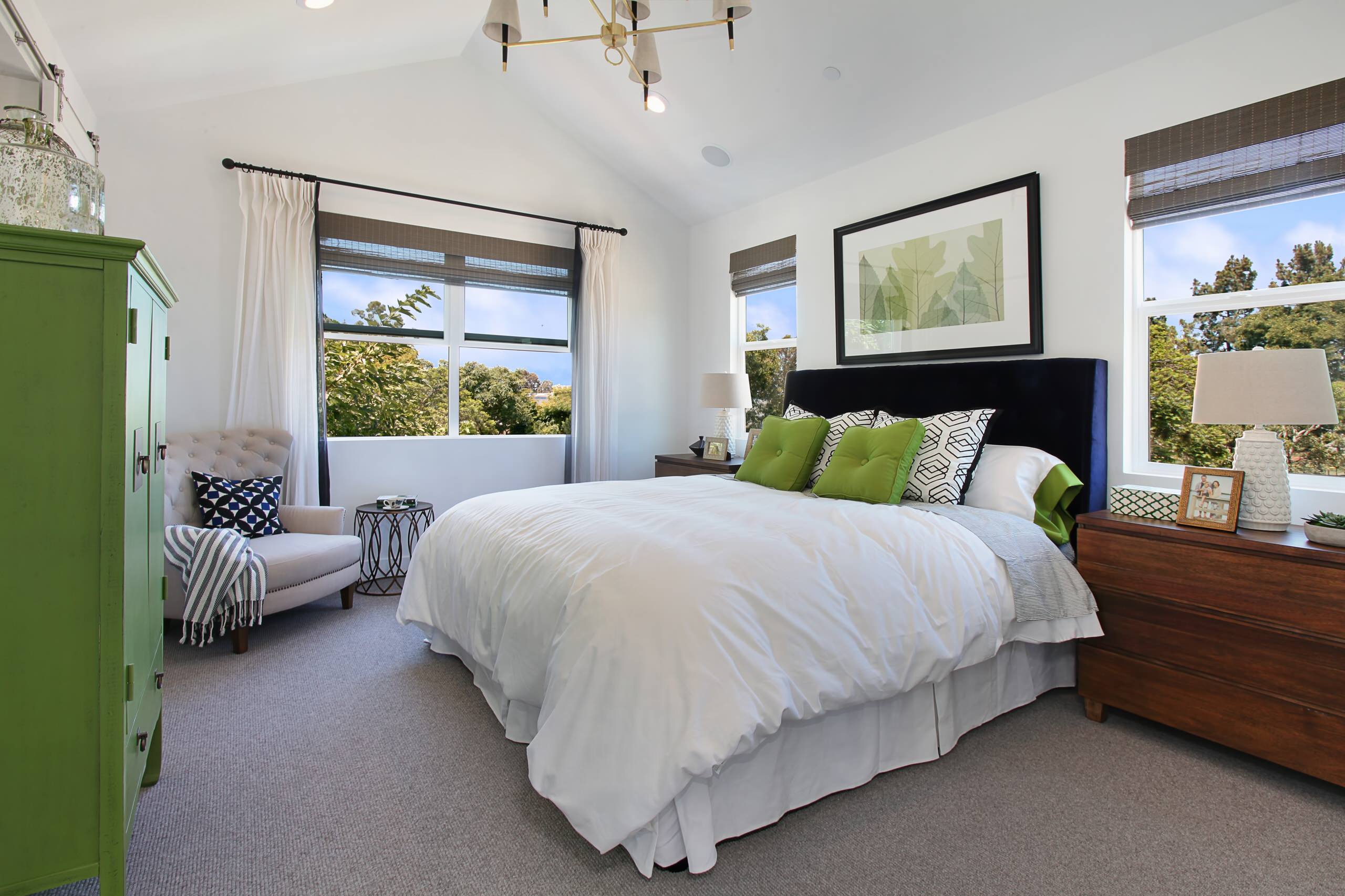
So, you’re wondering if asymmetrical pendant lights can work in your walk-in closet? Absolutely! They’re a fantastic way to add a touch of personality and sophisticated style beyond just basic illumination. Think of them as functional art pieces that can truly elevate a often-overlooked space.
Why Asymmetrical Pendants for Your Closet?
Traditional closet lighting often defaults to flush mounts or simple recessed cans, which are perfectly functional but rarely inspiring. Asymmetrical pendants, on the other hand, break that mold. They introduce a dynamic visual element that can turn a practical space into something truly special.
Adding Visual Interest and Modern Flair
The very nature of asymmetry means an unexpected twist. Instead of predictable uniformity, you get a design that catches the eye and makes a statement. This can be particularly impactful in a walk-in closet, where other design elements might be minimal. It adds a contemporary edge without feeling overly trendy. It’s about creating a focal point that’s both elegant and a bit playful.
Enhancing Ambiance and Mood
Lighting isn’t just about brightness; it’s about mood. Asymmetrical pendants, especially those with interesting light patterns or material choices, can cast a more inviting and luxurious glow than standard fixtures. Imagine a warm, diffused light that makes selecting an outfit feel less like a chore and more like a curated experience. This can transform the entire feel of your closet, making it a more pleasant and even inspiring space to be in.
Practicality Meets Style
While they look good, these pendants are still lights, and good lighting is crucial in a closet. The key is to choose fixtures that offer adequate illumination where you need it most, whether that’s over an island, a dressing area, or even along a particular wall of clothing. The beauty of many asymmetrical designs is that they can often direct light in interesting ways, highlighting specific areas or creating a soft, ambient wash.
Choosing the Right Style and Material
When picking out an asymmetrical pendant, you’ve got a world of options. The trick is to find something that complements your existing closet aesthetic without overpowering it.
Matching Your Closet’s Aesthetic
Consider the overall vibe of your walk-in closet. Is it sleek and minimalist? Perhaps an asymmetrical pendant with clean lines and a metallic finish would be ideal. If your closet leans more towards a bohemian or eclectic look, a pendant with a natural material like rattan or an organic, sculptural shape could be perfect. The goal isn’t to perfectly match everything but to ensure the pendant feels like a natural extension of the space.
Glass: Clear, Frosted, or Tinted
Glass pendants offer incredible versatility. A clear glass asymmetrical pendant can feel airy and light, allowing the bulb itself to become part of the design. Frosted glass diffuses light beautifully, creating a softer, more ethereal glow, while tinted glass adds a touch of color and can create interesting light patterns on your walls. Think about whether you want maximum light output or a more subdued, atmospheric effect.
Metal: Brass, Black, Chrome, or Copper
Metal pendants bring a different kind of character. Brass can introduce warmth and a touch of vintage glamour. Black metal offers a modern, industrial, or minimalist appeal. Chrome feels sleek and contemporary, while copper can add a unique, artisanal touch. The finish of the metal also matters – matte, polished, or brushed – each offers a distinct visual texture.
Wood and Natural Materials
For a softer, organic feel, consider pendants made from wood, rattan, or even woven textiles. These materials can add warmth and texture, making the closet feel more inviting and less sterile. They work particularly well in closets with a more natural, Scandinavian, or boho aesthetic. They can also soften the lines of a very modern closet.
Unique Shapes and Sculptural Designs
This is where asymmetry really shines. Look for pendants that boast unusual, eye-catching shapes. Think abstract forms, geometric arrangements that aren’t perfectly balanced, or pieces that look more like art installations than just light fixtures. These are the pendants that truly make a statement and become conversation starters, even in a closet.
Placement and Lighting Strategy
The “where” and “how” you hang your asymmetrical pendant are just as important as the “what.” Strategic placement can make all the difference in both aesthetics and functionality.
Over a Closet Island or Vanity
This is a classic and highly effective placement. If your walk-in closet boasts an island or a dedicated vanity area, an asymmetrical pendant hung above it creates a clear focal point. It provides task lighting for folding clothes, organizing accessories, or applying makeup, all while adding a significant design element. Consider a single, dramatic piece or a cluster of smaller, varying-length pendants for added visual interest.
As a Decorative Element in a Corner
Sometimes, a closet might have an awkward corner or a less-used space that could benefit from a touch of flair. An asymmetrical pendant, perhaps one with a softer glow, can turn this overlooked area into a cozy nook. It’s less about primary illumination here and more about creating ambiance and drawing the eye to an otherwise uninteresting spot.
Illuminating a Specific Clothing Rack or Display
Do you have a favorite dress or a collection of handbags you want to highlight? A carefully placed asymmetrical pendant can act as an accent light, drawing attention to specific items. This works particularly well if the pendant has a directional light source or if you’re using multiple smaller pendants to create a focused beam. It elevates your wardrobe into a curated display.
Layering with Other Light Sources
An asymmetrical pendant shouldn’t be your only light source in a walk-in closet. Layering light is crucial for both functionality and mood. Think of your pendant as the “star” of the show, but ensure you have good general illumination (recessed lights or flush mounts) and task lighting (strip lights inside shelving, vanity lights) to complement it. The pendant adds the decorative touch and often, the ambient glow, while other lights handle the heavy lifting of practical illumination.
Considering Height and Scale
Pay close attention to the height at which you hang your pendant. If it’s over an island, you want it high enough not to obstruct views or head height but low enough to effectively light the surface. In a general area, ensure it doesn’t create awkward shadows or feel like it’s in the way. Scale is also vital: a tiny pendant in a vast closet will look lost, while an oversized one in a small space will feel overwhelming. Measure your space and compare it to the pendant’s dimensions.
Installation Tips and Practicalities
Even the most beautiful pendant won’t look great if it’s poorly installed or impractical. A little planning goes a long way.
Professional Installation for Safety
Unless you’re a seasoned electrician, hiring a professional for installation is highly recommended. Dealing with electrical wiring can be dangerous, and ensuring the pendant is securely mounted to the ceiling is crucial, especially for heavier fixtures. A professional will also ensure the wiring is up to code and that the fixture is properly grounded. Don’t cut corners here.
Dimmer Switches are Your Friend
This is a non-negotiable for any decorative lighting, especially in a closet. A dimmer switch allows you to adjust the light output to suit the time of day, your mood, or the task at hand. Want a bright, clear light to pick out an outfit? Crank it up. Want a softer, more luxurious ambiance while organizing? Dim it down. It provides incredible flexibility and control over the space’s atmosphere.
Bulb Selection Matters
The type of bulb you choose will significantly impact the look and feel of your asymmetrical pendant.
LED for Efficiency and Longevity
LED bulbs are generally the best choice for closets. They’re energy-efficient, last a very long time, and produce little heat, which is important for preserving clothing and accessories. They come in a wide range of color temperatures and brightness levels.
Color Temperature (Kelvin)
- Warm White (2700K-3000K): Creates a cozy, inviting, and slightly yellow light, similar to incandescent bulbs. Great for a luxurious, inviting closet.
- Cool White (3500K-4500K): A more neutral white light, good for general tasks and seeing colors accurately without a yellow tint.
- Daylight (5000K-6500K): A very bright, bluish-white light that mimics natural daylight. Excellent for seeing true colors, but can feel stark if it’s your only light source.
For a walk-in closet, a warm white or cool white is usually preferred to avoid distorting clothing colors while still creating an inviting atmosphere.
Brightness (Lumens)
Don’t just look at wattage; look at lumens. Lumens indicate the actual brightness of the bulb. Consider the size of your closet and whether the pendant is primarily decorative or needs to provide significant illumination. You might need higher lumens for task lighting and lower for ambient effects.
Bulb Shape and Visibility
Some asymmetrical pendants feature exposed bulbs. In these cases, the shape and filament design of the bulb become part of the fixture’s aesthetic. Edison-style bulbs can add a vintage touch, while frosted globe bulbs can create a softer glow. Consider whether the bulb itself contributes to or detracts from the pendant’s overall design.
Inspiring Design Combinations
Let’s get specific with some ideas to spark your imagination. These combinations showcase how different styles of asymmetrical pendants can transform your closet.
Minimalist Metal and Geometric Forms
Imagine a sleek, walk-in closet with clean lines, built-in storage, and perhaps a stark white or dark grey color palette. An asymmetrical pendant featuring thin black metal rods forming an abstract geometric shape, or perhaps a single, elongated metal cone hung at an unexpected angle, would be a perfect fit. The light itself would be clean and focused, reflecting the minimalist aesthetic. This kind of pendant adds visual interest without introducing clutter or excessive detail. It’s about precision and understated elegance.
Organic Wood and Sculptural Curves
For a closet that leans into natural textures, warm wood tones, and a more relaxed, perhaps Scandinavian or Japanese-inspired aesthetic, an organic asymmetrical pendant can be truly stunning. Think of a pendant made from bent wood slats, woven rattan, or even a ceramic piece with a subtly irregular, handcrafted shape. The light would likely be diffused and soft, casting gentle shadows and enhancing the natural materials around it. This creates a serene, calming atmosphere, making the closet feel like a peaceful sanctuary.
Industrial Chic with Exposed Bulbs
If your walk-in closet has elements of industrial design – exposed brick, concrete finishes, or dark metal accents – an asymmetrical pendant with an industrial edge would be ideal. Picture a pendant with a raw, unfinished metal shade or a cage design, perhaps with an exposed, oversized Edison-style bulb. The asymmetry could come from multiple pendants at varying heights or a single fixture with an unusual, deconstructed form. This style adds a rugged, urban sophistication and a sense of history or repurposing.
Luxurious Glass and Unexpected Arrangements
For a more glamorous or high-end closet, where opulence and shimmer are key, asymmetrical glass pendants offer fantastic possibilities. Consider a cluster of delicate glass globes at different lengths, perhaps with subtle tints of amber or smoke grey, emanating from a single ceiling plate. Or, a single large, hand-blown glass pendant with an organic, slightly imperfect shape, catching and refracting light in unique ways. This approach adds sparkle, depth, and a bespoke feel, turning the light fixture into a true jewel of the space.
Eclectic Mix-and-Match Approach
Don’t be afraid to mix and match materials and styles if your closet already has an eclectic vibe. An asymmetrical pendant could be the element that ties disparate themes together. For example, a pendant combining metal and glass in an unexpected shape could bridge a modern furniture piece with a more traditional wardrobe. The key here is intentionality – ensuring the mix feels curated and not just random. It’s about creating a unique personal statement that reflects your individual style.
Ultimately, choosing an asymmetrical pendant for your walk-in closet is about embracing individuality and creating a space that feels both highly functional and uniquely yours. It’s a small design decision with a big impact.