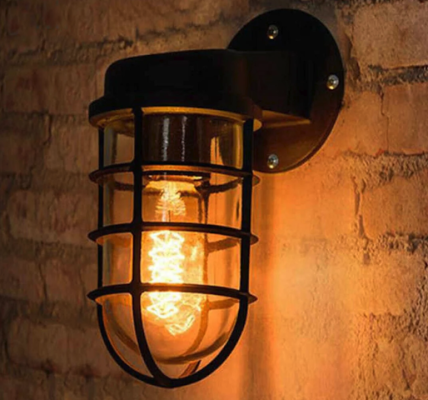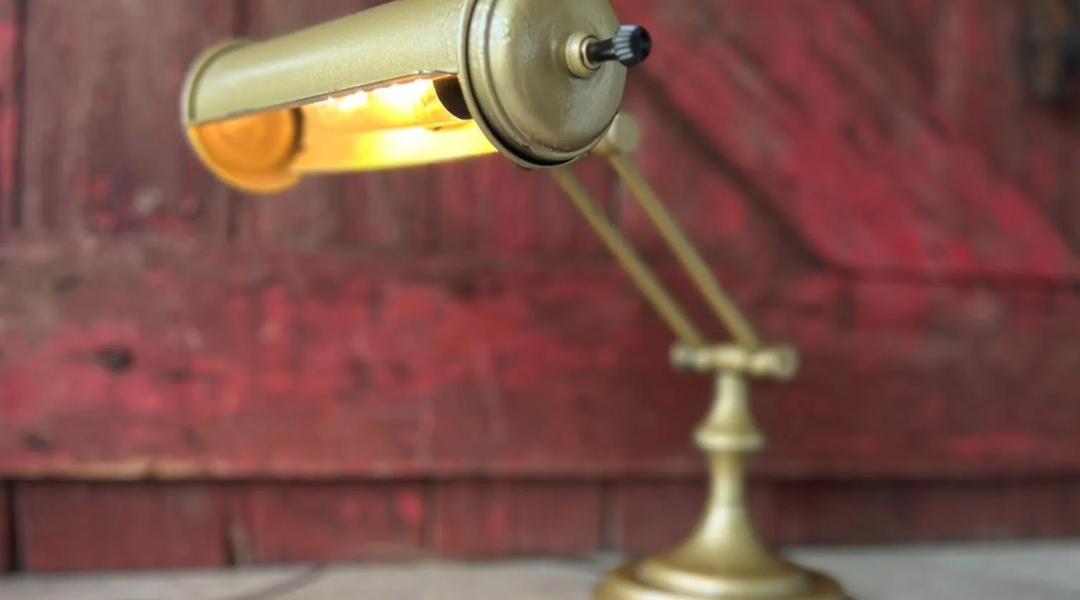

A vintage brass library lamp isn’t just a piece of decor; it’s a statement, a nod to a bygone era of quiet study and intellectual pursuits. For anyone embracing the Dark Academia aesthetic, this isn’t merely an accessory – it’s an essential, practically a foundational element. It embodies the core tenets of the style: history, materiality, and a certain romanticized view of knowledge. These lamps offer a warmth, a physical weight, and a visual depth that modern alternatives simply can’t replicate, instantly transforming a space into a cozy, contemplative haven.
When we talk about “vintage library lamps Ckensu,” brass almost always comes to mind first. There’s a good reason for this.
The Allure of Patina
Brass, unlike many other metals, ages beautifully. It develops a rich, complex patina over time – that natural darkening and dulling that tells a story. This isn’t a defect; it’s a desirable characteristic that adds to the lamp’s character and authenticity.
- Natural Oxidation: The copper and zinc in brass react with oxygen and moisture in the air, creating a layer of oxides and sulfides. This layer is what we call patina.
- Unique History: Every scratch, every speck of tarnish, every polished high point contributes to a unique visual history. It’s like the rings of a tree, marking the passage of time.
- Depth and Warmth: The varied tones of patinated brass add an incredible visual depth and a warm, inviting glow even when the lamp isn’t turned on. It complements the dark wood and muted tones typical of Dark Academia.
Durability and Craftsmanship
Vintage brass lamps were built to last. They weren’t designed with planned obsolescence in mind.
- Solid Construction: Many older lamps feature solid brass components, not just brass plating over cheaper metals. This makes them heavier, sturdier, and less prone to tipping.
- Expert Craftsmanship: Look closely at a good vintage brass lamp. You’ll often see well-executed joinery, detailed casting, and precise machining – hallmarks of skilled artisans.
- Repairable, Not Disposable: Unlike many modern electronics, a vintage lamp is often repairable. A faulty switch or frayed cord can typically be replaced, extending its life indefinitely.
The Iconic Forms: What to Look For
While “vintage brass library lamp” might conjure a specific image, there’s actually a charming variety of styles within this category, each with its own character.
Banker’s Lamps: The Quintessential Study Companion
No discussion of library lamps is complete without the banker’s lamp. It’s almost synonymous with the genre.
- Classic Design: Characterized by a heavy base, a slender adjustable arm, and a distinctive green (or sometimes white) glass shade.
- Purposeful Lighting: The shade directs light downwards onto your work surface, minimizing glare and creating a focused pool of illumination.
- Variations: While the green glass shade is iconic, you’ll find variations with white, amber, or even frosted glass. The bases also vary, from simple rounded forms to more ornate, embossed designs.
- Historical Context: Originally designed in the early 20th century for banks, libraries, and offices, they quickly became a staple in private studies.
Desk Lamps with Articulated Arms: Flexible Functionality
These lamps offer more adjustability, making them incredibly practical for various tasks.
- Joints and Flexibility: Look for lamps with multiple pivot points – at the base, mid-arm, and at the shade – allowing you to precisely position the light.
- Industrial Influence: Many of these designs have an almost industrial feel, reflecting their utilitarian purpose.
- Shade Styles: Shades can be dome-shaped, cone-shaped, or even a more open bell shape, often with a simple rolled edge.
- Stable Bases: Due to their adjustable nature, a heavy, stable base is crucial to prevent tipping when the arm is extended.
Gooseneck Lamps: Simple Elegance
For something a bit more understated but still highly functional.
- Flexible Neck: The defining feature is a flexible metal “gooseneck” that allows for easy albeit less rigid adjustment of the light direction.
- Minimalist Aesthetic: Often have a smaller footprint and a less imposing presence than a banker’s lamp, making them suitable for smaller desks or side tables.
- Shade Diversity: The shade can vary from a small spotlight-style to a wider fluted design, often dictated by the lamp’s intended use.
- Often Earlier Designs: Many true vintage gooseneck lamps date back to the 1920s-1940s, sometimes showing Bakelite components paired with brass.
Where to Find Your Perfect Lamp
The hunt is part of the fun. Finding the right vintage piece takes a bit of patience and knowing where to look.
Antique Shops and Flea Markets: The Thrill of Discovery
These are classical hunting grounds for unique finds.
- Physical Inspection: You can physically examine the lamp, check its weight, inspect the wiring, and look for any damage.
- Negotiation Potential: Prices are often negotiable, especially at flea markets.
- Local Charm: Supporting local businesses and uncovering local history through objects is a fulfilling experience.
- What to Look For:
- Sturdiness: Wobbly bases or loose connections are a red flag unless you’re prepared to fix them.
- Original Components: While replaced wiring is often a good thing for safety, original switches or specific stylistic elements add to the lamp’s value.
- Shade Condition: Especially for banker’s lamps, check for chips or cracks in the glass shade.
Online Marketplaces: A Broader Selection
E-commerce has opened up a world of vintage possibilities.
- Etsy: Excellent for unique, often curated items from individual sellers. Many sellers specialize in vintage lighting.
- eBay: A vast auction site with an enormous inventory, requiring more careful sifting. Search for specific terms like “vintage brass desk lamp,” “antique banker lamp,” or “gooseneck brass lamp.”
- Chairish/1stDibs: Higher-end marketplaces focused on authenticated antique and vintage pieces, often with higher price points but guaranteed quality.
- Facebook Marketplace/Local Classifieds: Community-based selling often yields surprising local treasures at great prices if you’re persistent.
- Tips for Online Buying:
- Read Descriptions Carefully: Look for details about condition, dimensions, and any electrical information.
- Examine Photos Closely: Zoom in on all available images. Look for imperfections, damage, or signs of poor repair.
- Ask Questions: Don’t hesitate to message sellers for more photos or specific details. Inquire about the wiring, switch functionality, and any hidden damage.
- Shipping Costs: Vintage lamps can be heavy and fragile. Factor in shipping costs and insurance.
Estate Sales and Auctions: Hidden Gems
These can be fantastic sources, but often require quick decisions.
- Estate Sales: Often where an entire household’s contents are sold. You might find a well-preserved antique lamp alongside other period pieces.
- Auctions: Can be online or in-person. Online antique auction sites are becoming more popular.
- Be Prepared: Go with a budget in mind and an idea of what you’re looking for. Research prices beforehand if possible.
- Inspect Before Bidding: If it’s an in-person auction or estate sale, inspect the item thoroughly.
Bringing Your Vintage Lamp to Life: Practical Considerations
Once you’ve found your perfect lamp, there are a few practical steps to ensure it’s safe and shines brightly.
Rewiring and Safety Checks: Prioritizing Functionality
This is perhaps the most crucial step, especially for older lamps.
- Check the Cord: Look for frayed insulation, cracks, or brittle sections. Any of these mean it needs replacement. Old un-polarized “lamp cord” is often a fire hazard.
- Examine the Plug: Is it a modern polarized plug (two different-sized prongs) or an old-style un-polarized plug? If it’s a very old non-polarized plug, replacement is advised.
- Inspect the Socket: Ensure the socket material isn’t cracked or crumbling. The internal contacts should be clean and springy.
- Consider Professional Help: If you’re not comfortable with electrical work, a qualified electrician or an antique lamp repair specialist can rewire your lamp safely. It’s usually a straightforward and relatively inexpensive job.
- DIY Rewiring (If Comfortable): Kits are available. Essential tools include wire cutters, strippers, a screwdriver, and electrical tape. Always unplug the lamp before you start!
Cleaning and Restoration: Revealing its True Beauty
Decide how much patina you want to keep.
- Gentle Cleaning: For brass, start with a soft cloth and mild soapy water to remove dust and grime.
- Polishing (Optional): If you want to remove some tarnish and bring out the shine, use a dedicated brass cleaner. Apply with a soft cloth, buff off, and then wipe thoroughly to remove any residue.
- A Word of Caution on Patina: Many enthusiasts prefer to leave the natural patina intact as it adds character. Over-polishing can strip away its history. Aim for a “restored” look rather than “brand new.”
- Shade Care:
- Glass Shades: Clean with glass cleaner. For stubborn grime, warm soapy water works. Be extremely careful with antique glass, as it can be fragile.
- Metal Shades: Clean similarly to the brass base. Check for any flaking paint if it’s painted metal.
Bulb Choice: The Right Glow
The right bulb can make or break the aesthetic.
- Warm White/Soft White LED: Modern LED bulbs consume little energy and produce virtually no heat, a significant advantage for vintage lamps. Choose bulbs with a color temperature of 2700K to 3000K for a warm, inviting glow that mimics incandescent light.
- Edison-Style LED: For an extra touch of vintage charm, consider LED bulbs that mimic the filament of old Edison bulbs. They often have a very warm, ambient glow.
- Appropriate Wattage: Always check the lamp’s socket for its maximum wattage rating and do not exceed it, especially with older wiring. Modern LEDs draw so little power that this is rarely an issue, but it’s good practice.
- Dimmable Bulbs: Many Dark Academia setups benefit from dimmable lighting, allowing you to adjust the ambiance. Ensure your lamp’s switch and your chosen bulb are compatible with dimming.
Incorporating into Your Dark Academia Aesthetic
This is where your vintage brass library lamp truly shines.
Placement Matters: Creating the Ambiance
Where you put your lamp is almost as important as the lamp itself.
- The Desk/Writing Surface: The most obvious and traditional placement. It grounds your workspace and provides focused light for reading, writing, or sketching. Pair it with leather-bound books, a quill, and a vintage inkwell.
- Side Table/Reading Nook: A smaller brass lamp can create a cozy spot for evening reading. Place it next to a comfortable armchair, surrounded by shelves of beloved books.
- Shelving/Bookcases: A well-placed lamp on a large bookcase can highlight a collection or an interesting decorative object, adding depth to the room.
- Behind a Lounge Chair: Instead of overhead lighting, use a lamp behind a lounge chair to cast a soft, indirect light, perfect for contemplative evenings.
Complementary Elements: Building the Scene
Your lamp won’t stand alone. It’s part of a larger composition.
- Rich Textures: Think dark woods (mahogany, walnut), leather, velvet, and tweed. These materials absorb light and create a sense of enclosed warmth.
- Aged Books: Actual old books with worn covers and foxed pages are non-negotiable. Stack them, arrange them, let them overflow.
- Curious Objects: Globes, maps, botanical prints, specimen boxes, antique scientific instruments, typewriters – objects that hint at exploration, knowledge, and history.
- Subdued Color Palette: Deep greens, burgundy, navy, charcoal, cream, and sepia tones enhance the sense of antiquity and intellectualism.
- Natural Elements: Pressed flowers, dried leaves, a simple plant like ivy can bring a touch of life to the otherwise scholarly surroundings.
A vintage brass library lamp is more than just a light source; it’s a tangible link to the past, a symbol of scholarly pursuits, and an enduring piece of craftsmanship. It’s an investment not just in your decor, but in creating an atmosphere that fosters thought, creativity, and a deep appreciation for history and knowledge—the very essence of Dark Academia. Finding the right one is a journey, but the reward is a focal point that will elevate your space for years to come.