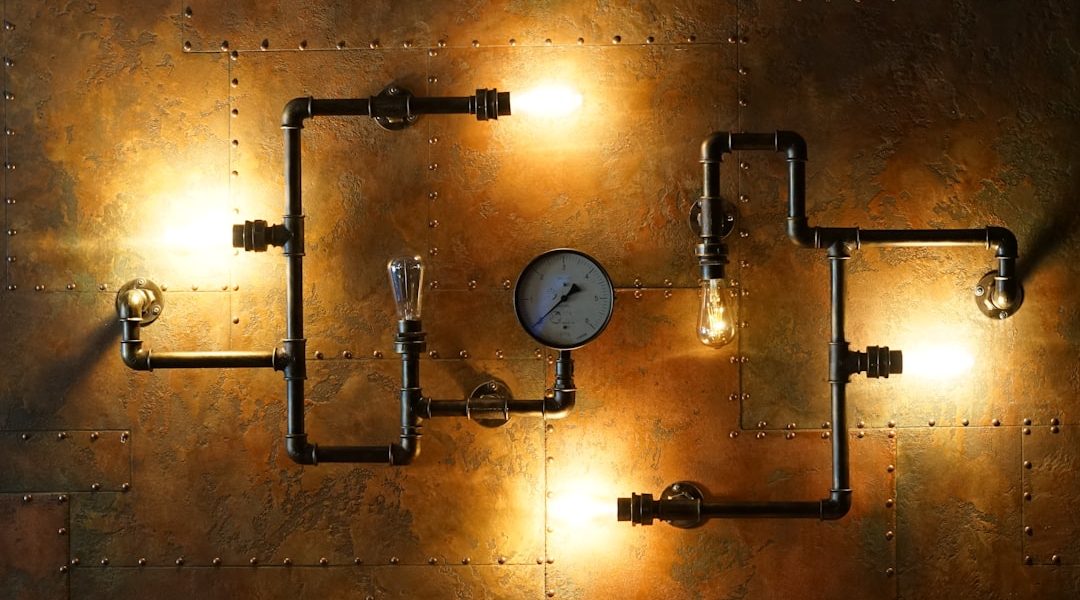

Looking for a good way to light up your hallway? A vintage industrial wall sconce could be just what you need. These fixtures offer a practical and stylish lighting solution, blending a bit of history with modern functionality. They’re built to last and cast a focused light, making them ideal for long, often dim, transitional spaces like hallways.
Why Hallways Need Special Attention
Hallways are often overlooked when it comes to lighting design, but they’re critical. They’re high-traffic areas that guide you through your home, and poor lighting can make them feel cramped, unwelcoming, or even unsafe. Think about it – how many times have you fumbled for a light switch in a dark hallway?
So, what exactly is “vintage industrial” design? It’s a style that draws inspiration from factories, warehouses, and old workshops from the late 19th and early 20th centuries. It’s characterized by raw, utilitarian materials, exposed mechanisms, and a no-nonsense aesthetic. Think metal, wood, exposed bulbs, and a generally rugged look. This isn’t about delicate flourishes; it’s about robust, functional beauty.
Tracing the Origins of Industrial Style
The industrial style we see today isn’t just a trend; it has roots in genuine necessity. As industries boomed, factories needed durable, powerful lighting. Early electric lights were often encased in protective metal cages, and their designs prioritized function over ornamentation. When these industrial spaces were later repurposed – think loft apartments in old warehouses – people started appreciating the raw, honest beauty of these utilitarian elements. That’s where the “vintage” part comes in: it’s a nod to that historical context and the enduring appeal of well-made, practical items.
Key Characteristics of Vintage Industrial Sconces
When you’re looking at a vintage industrial wall sconce, you’ll generally find a few recurring features:
- Durable Materials: Often made from metals like steel, iron, or brass, sometimes with a distressed or aged finish. These aren’t flimsy fixtures.
- Minimalist Design: Form follows function here. There aren’t many unnecessary decorative elements. The beauty comes from the materials and the way they’re put together.
- Exposed Hardware: Screws, bolts, and even wiring might be visible, adding to that authentic industrial feel.
- Shades and Cages: Often, you’ll see metal shades that direct light downwards or outwards, or protective wire cages around the bulb, reminiscent of old factory lights.
- Specific Finishes: Common finishes include matte black, oil-rubbed bronze, brushed nickel, or aged brass. These finishes tend to hide wear and tear well, contributing to their long-lasting appeal.
Practical Advantages for Hallways
Beyond their visual appeal, vintage industrial wall sconces offer several tangible benefits specifically for hallway lighting.
Focused and Directional Lighting
One of the biggest advantages is their ability to provide targeted light. Many vintage industrial sconces feature shades that direct light either upwards, downwards, or outwards.
- Downward Lighting: This is excellent for illuminating the floor path, helping to prevent tripping hazards, especially in longer hallways. It can also highlight features like a runner rug.
- Upward Lighting: If you have high ceilings or architectural details you want to emphasize, sconces that direct light upwards can create a pleasant ambient glow, bouncing light off the ceiling. This can make a hallway feel less claustrophobic.
- Ambient Spread: Some designs offer a more general spread of light, often through diffusers or open cage designs. This is good for overall illumination without harsh shadows.
The controlled light output helps avoid the glare often associated with overhead fixtures and ensures light is sent where it’s most needed.
Durability and Longevity
These aren’t your easily-broken plastic fixtures. Vintage industrial sconces are generally built using robust materials and construction methods.
- Sturdy Construction: Forget about lightweight, flimsy components. These sconces are often heavy-duty, designed to withstand daily life. This means less worry about accidental bumps or minor impacts from moving furniture.
- Material Resilience: Metals like steel and iron are inherently tough. Their finishes are often chosen for their ability to age gracefully, even showing a bit of wear and tear, which only adds to their character rather than detracting from it. This is a contrast to more delicate finishes that can chip or scratch easily.
- Reduced Maintenance: Because they’re built to last, you typically won’t be replacing these fixtures due to breakdown. The simple design also means fewer complex parts that can malfunction. Most maintenance involves an occasional wipe-down to remove dust.
Given their durability, they represent a good long-term investment, saving you the hassle and cost of frequent replacements.
Space-Saving Design
Hallways are often narrow, and bulky light fixtures can exacerbate this feeling of confinement. Wall sconces, by their very nature, are excellent space savers.
- Mounted on the Wall: Unlike floor lamps that take up valuable floor space or pendant lights that hang down, sconces are flush or near-flush with the wall. This keeps the walking path clear and doesn’t visually clutter the space.
- Low Profile Options: Many vintage industrial designs are intentionally compact, designed to provide light without protruding too far into the hallway. This is crucial for maintaining a sense of openness, especially in particularly tight corridors.
- No Overhead Obstruction: Eliminating overhead fixtures frees up the ceiling plane, making a hallway feel taller and airier, which can be a significant benefit in older homes with lower ceilings.
Installation Considerations
Even if you’re not an electrician, it’s good to understand the basics of installing wall sconces. It’s usually a straightforward process for a qualified person.
Placement and Spacing
Getting the placement right is crucial for both aesthetics and functionality.
- Height: A common guideline is to mount sconces at eye level, around 60-66 inches (152-168 cm) from the floor to the center of the fixture. This minimizes glare and ensures the light is cast effectively. However, if your hallway has high ceilings or you want to illuminate artwork, you might adjust this slightly.
- Spacing: For longer hallways, you’ll need multiple sconces. A good rule of thumb is to place them approximately 6-8 feet (1.8-2.4 meters) apart. This ensures an even wash of light without dark spots. You might need to adjust based on the light output of your chosen sconces.
- Symmetry and Balance: Consider the overall visual balance. Placing sconces symmetrically often works well in hallways, creating a sense of order. If you have architectural features or artwork, you might place sconces to highlight them.
Wiring and Electrical Requirements
Most wall sconces are hardwired, meaning they connect directly to your home’s electrical system.
- Existing Wiring vs. New Installation: If you’re replacing old fixtures, the wiring might already be in place, making the job simpler. If you’re adding new sconces where there were none, it will involve running new wiring behind the walls. This is where a qualified electrician becomes essential.
- Junction Boxes: Sconces typically mount over a standard electrical junction box. Ensure these boxes are securely installed and properly sized for your chosen fixture.
- Switches: Think about how you’ll control the lights. A single switch at one end of the hallway is common, but for longer hallways, a 3-way switch (allowing you to control the lights from both ends) is very practical. Dimmer switches are also a great option, allowing you to adjust the ambiance.
Bulb Selection and Lumens
The right bulb makes a big difference in how your sconce performs.
- LEDs are King: For efficiency and longevity, LED bulbs are almost always the best choice. They use very little energy, last for years, and don’t produce much heat.
- Color Temperature: This refers to the “warmth” or “coolness” of the light, measured in Kelvins (K).
- Warm White (2700K-3000K): This is a softer, more inviting light, similar to traditional incandescent bulbs. It’s often preferred for residential spaces like hallways, creating a cozy atmosphere.
- Neutral White (3500K-4000K): A brighter, crisper light that can feel more modern.
- Lumens, Not Watts: Focus on lumens when determining brightness. For hallway sconces, you might aim for 200-400 lumens per sconce, depending on spacing and other light sources. You want enough light to see clearly but not so much that it feels harsh.
- Dimmable Bulbs: If you plan to use a dimmer switch (highly recommended for versatility), ensure your chosen LED bulbs are “dimmable” and compatible with your dimmer switch.
Integrating into Your Decor
Even though they’re called “vintage industrial,” these sconces are amazingly adaptable and can complement various interior styles.
Complementary Decor Styles
Don’t box yourself into thinking they only work in overtly industrial homes.
- Modern Farmhouse: The rugged charm of industrial sconces pairs beautifully with the warm, rustic elements of Modern Farmhouse zero. Think distressed wood, shiplap, and natural textures. The metal of the sconce provides a nice contrast.
- Minimalist/Contemporary: In a clean, uncluttered minimalist space, a simple, geometric industrial sconce can act as a subtle focal point, adding texture and interest without overwhelming the aesthetic. Its emphasis on function aligns well with minimalist principles.
- Eclectic: For those who love to mix and match, a vintage industrial sconce can bridge gaps between different styles, adding an unexpected edge to a more traditional or bohemian space. It introduces a touch of the unexpected.
- Traditional: Yes, even in traditional homes! An oil-rubbed bronze or aged brass industrial sconce can add an intriguing layer to a traditional hallway, preventing it from feeling too stuffy or predictable. It’s all about thoughtful contrast.
Creating an Aesthetic Statement
A well-chosen sconce isn’t just about light; it’s about making a visual impact.
- Architectural Interest: In a plain hallway, a series of identical sconces can create a strong architectural line, drawing the eye down the length of the hall and adding structure.
- Highlighting Features: Use sconces to frame a piece of artwork, illuminate a console table, or draw attention to an interesting wall texture. They can be spotlights for your hallway’s best features.
- Material Play: The raw materials of industrial sconces – the metal, the exposed bulbs – add texture and depth to a space. This can be especially important in hallways which often lack varied surfaces. They provide a tactile quality that other light fixtures might miss.
- Continuity: By repeating similar design elements (like the finish or shape) from your sconces elsewhere in your home, you can create a cohesive and well-thought-out design narrative that flows from room to room.
Maintenance and Care
Vintage industrial sconces are generally low-maintenance, which is another point in their favor for busy hallways.
Basic Cleaning
Regular, gentle cleaning is usually all that’s involved.
- Dusting: Use a soft, dry cloth or a duster to remove surface dust weekly or bi-weekly. This prevents dust buildup that can dull the finish and even slightly reduce light output.
- Wiping: For stubborn spots or residue, slightly dampen a microfiber cloth with water (and a tiny bit of mild soap if necessary) and gently wipe the metal. Always dry thoroughly afterward to prevent water spots or rust, especially on unsealed metals.
- Avoid Harsh Cleaners: Skip abrasive cleaners, scouring pads, or chemical sprays. These can strip the finish, especially on aged or patinated metals, and will likely do more harm than good. A simple wipe is usually sufficient.
Bulb Replacement
While LED bulbs last a long time, eventually, they will need replacing.
- Safety First: Always turn off the power at the circuit breaker before attempting to change a bulb. This is non-negotiable for safety.
- Cool Down: Allow the old bulb to cool down completely before touching it. Even energy-efficient bulbs can get warm.
- Handle with Care: When inserting a new bulb, screw it in gently until snug. Overtightening can damage the bulb or the fixture’s socket.
- Correct Type: Ensure the replacement bulb matches the wattage/lumens and base type specified for the fixture. Using a bulb that is too powerful can overheat the fixture, and an incorrect base simply won’t fit or connect properly.
By following these simple steps, your vintage industrial wall sconces will continue to illuminate your hallway effectively for years to come, providing both practical light and a touch of timeless style.