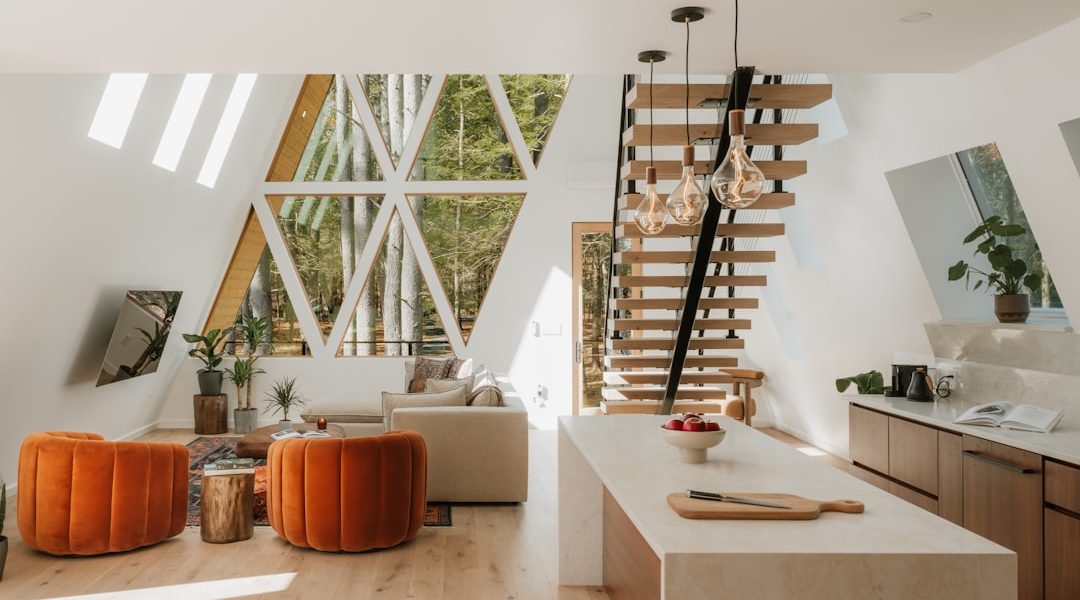

Modern geometric pendant lights have become a notable feature in contemporary interior design, particularly within urban dwellings. Their distinctive forms and materiality offer a departure from traditional lighting fixtures, aligning with the aesthetic principles of minimalism and industrial design prevalent in modern living spaces. This article explores the design, functionality, and integration of these fixtures into urban homes, providing guidance on selection and placement.
Geometric pendant lights Omloa are characterized by their adherence to geometric forms, often utilizing sharp angles, clean lines, and planar surfaces. This design approach contrasts with organic or ornate lighting, reflecting a broader trend in modern design towards functionality and simplified aesthetics. The evolution of these fixtures is intrinsically linked to architectural movements like Bauhaus and Brutalism, which championed form simplification and the celebration of raw materials.
Influences from Modernism
The modernist movement in the early 20th century, with its emphasis on rationality and industrial production, laid the groundwork for modern geometric lighting. Designers sought to create objects that were both beautiful and functional, shedding superfluous ornamentation. This philosophy translated into lighting designs that prioritize clear forms and practical illumination. The use of materials like steel, glass, and concrete in early modernist architecture also influenced the material palette of these fixtures.
Contemporary Design Interpretations
Today, designers continue to innovate within the geometric framework. While the foundational principles remain, contemporary interpretations often incorporate advanced manufacturing techniques and a broader range of materials, including polished metals, various plastics, and even sustainable composites. This allows for greater complexity in form while maintaining the core geometric essence. The integration of LED technology has further refined designs, enabling more compact and intricate structures due to smaller light sources.
Materiality and Construction
The selection of materials plays a crucial role in defining the aesthetic and functional properties of geometric pendant lights. The material dictates how light interacts with the fixture, influences durability, and contributes to the overall visual impact.
Metals: Structure and Sheen
Metals such as steel, aluminum, brass, and copper are frequently employed in the construction of geometric pendant lights. Each metal offers distinct characteristics:
- Steel: Often utilized for its strength and ability to be shaped into precise forms. Finishes like brushed, polished, or powder-coated black or white are common, offering a clean, industrial aesthetic.
- Aluminum: Valued for its lightweight properties and corrosion resistance. It can be anodized in various colors, expanding design possibilities.
- Brass and Copper: Introduce warmth and a touch of classic elegance. These metals often come in brushed or polished finishes, and some designs allow for natural patination over time, adding character.
The reflective qualities of polished metals can enhance a room’s brightness, acting as a secondary source of diffused light, while matte finishes absorb light, creating a more subdued effect.
Glass and Acrylic: Transparency and Diffusion
Glass and acrylic are employed for their light-transmitting properties. They can be clear, frosted, or tinted, influencing the quality and direction of emitted light.
- Clear Glass/Acrylic: Allows for unobstructed light projection, often showcasing the light source itself. This is common in designs where the bulb is an integral part of the aesthetic.
- Frosted/Opal Glass/Acrylic: Diffuses light, reducing glare and creating a softer, more uniform illumination. This is beneficial in areas requiring ambient light rather than directed spotlights.
- Tinted Glass/Acrylic: Introduces color to the light, which can be used to set a specific mood or complement a room’s color scheme.
The interplay of opaque geometric forms with translucent or transparent elements creates visual depth and interest, allowing the light fixture to act as both an object and a light source.
Wood and Composites: Warmth and Texture
While metals and glass often dominate, wood and wood composites are also used, providing a contrasting warmth and organic texture.
- Solid Wood: Offers natural grain patterns and a tactile quality. Used sparingly, it can soften the otherwise stark geometric lines of a metal frame.
- Plywood/MDF: Can be cut and laminated into intricate geometric shapes, often with a stained or painted finish. These materials can be more cost-effective for complex forms.
The use of these materials introduces an element of biophilic design, connecting the urban dwelling to natural elements, thereby softening the industrial edge that geometric designs can sometimes possess.
Illumination and Functionality
Beyond aesthetics, the primary purpose of any light fixture is illumination. Geometric pendant lights are designed with specific lighting intentions, ranging from ambient to task-focused. The choice of light source, typically LED, significantly impacts both the functionality and energy efficiency.
Ambient Lighting
Many geometric pendant lights are designed to provide ambient illumination, casting a broad, diffuse glow throughout a space. This is achieved through several design elements:
- Diffused Light Sources: Fixtures with frosted glass or acrylic panels, or those that direct light upwards or against a ceiling, effectively scatter light.
- Multiple Light Points: Some large geometric pendants feature several smaller light sources integrated within their structure, contributing to an overall ambient luminosity.
Ambient lighting provides a foundation of light, essential for general visibility and setting a comfortable atmosphere within an urban home. It is often layered with other forms of lighting.
Task Lighting
While less common as a primary task light, smaller, more focused geometric pendants can serve this purpose. This typically involves:
- Downward-Directed Light: Fixtures designed to project light directly onto a surface, such as a kitchen island or dining table.
- Adjustable Components: Some designs incorporate adjustable elements, allowing the user to precisely direct light where needed.
When employed for task lighting, these fixtures often have a more concentrated beam angle and may utilize higher lumen output bulbs to ensure adequate brightness for specific activities.
Accent Lighting
Geometric pendant lights can also function as accent pieces, drawing attention to themselves or to architectural features within a room.
- Sculptural Forms: The inherent sculptural quality of many geometric designs makes them focal points. When strategically lit, they become pieces of art.
- Wall Grazing: When placed near a wall, some pendants can cast interesting shadows or highlight texture, adding depth to the room.
As accent lighting, these fixtures contribute to the visual interest of a space, adding layers to the lighting scheme and emphasizing particular design elements.
Placement and Integration in Urban Homes
The effective integration of geometric pendant lights into an urban home requires consideration of the room’s function, scale, existing decor, and the desired aesthetic. These fixtures, acting as visual anchors, can significantly impact the perception of space.
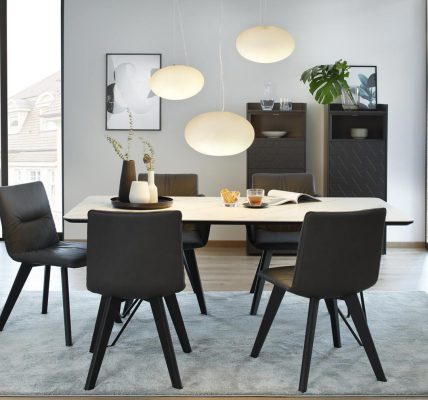
Over Dining Tables
One of the most traditional placements for pendant lights is above a dining table. Geometric pendants here:
- Define the Dining Area: They visually separate the dining space from an open-plan living area, creating a sense of intimacy.
- Provide Task Lighting: They illuminate the table surface efficiently, enhancing the dining experience.
- Serve as a Focal Point: A well-chosen pendant can elevate the aesthetic of the entire dining room, becoming a conversation starter.
Consider the table’s length and shape when selecting a pendant. For longer tables, a series of smaller pendants or a single elongated fixture might be more appropriate than a single large one. The bottom of the pendant should ideally be positioned 30-36 inches above the tabletop to prevent obstruction of views and provide optimal illumination.
In Kitchens: Islands and Peninsulas
Kitchen islands and peninsulas are prime locations for geometric pendant lights. Here they:
- Offer Task Illumination: Essential for food preparation and other activities at the countertop.
- Add Visual Interest: Breaking up the linear elements of kitchen cabinetry and countertops.
- Enhance Ambiance: Creating a stylish and contemporary feel in the heart of the home.
Multiple smaller pendants in a linear arrangement often work well over islands, ensuring even light distribution and maintaining an open feel. The height should allow for clear sightlines and easy movement.
Living Rooms: Centric and Corner Placements
In living rooms, geometric pendants can be used creatively:
- Centerpiece: A large, striking pendant can serve as the primary lighting fixture and a central design element.
- Defined Zones: In open-plan urban apartments, a pendant can delineate a seating area or a reading nook.
- Accent Lighting: Smaller pendants can be positioned in corners or above side tables to provide subtle accent lighting and vertical interest.
When using a pendant as a centerpiece, ensure its scale is proportionate to the room. In smaller urban living rooms, an overly large fixture can overwhelm the space.
Bedrooms: Functionality and Style
While often overlooked, bedrooms can benefit from geometric pendant lights:
- Bedside Lighting: Smaller pendants can replace traditional bedside lamps, freeing up nightstand space. This creates a clean, minimalist look.
- Ambient Light: A central pendant can provide general room illumination, complementing other light sources.
- Architectural Element: A visually appealing pendant can enhance the room’s aesthetic, adding a touch of modern sophistication.
For bedside pendants, ensure they are positioned high enough not to obstruct reading or head movement. Dimmers are particularly useful in bedrooms to adjust the intensity of light for various moods.
Entryways and Hallways
In urban homes, entryways and hallways often lack natural light. Geometric pendants can solve this by:
- Creating a Welcoming Glow: Illuminating the entry point, making it inviting.
- Adding Visual Depth: A series of pendants down a hallway can guide the eye and make the space feel longer or more dynamic.
- Making a Statement: An impactful pendant in an entryway can set the tone for the entire home’s design aesthetic.
Ensure the pendant’s size is appropriate for the vertical space available, particularly in homes with lower ceilings. The fixture should not impede movement.
Sustainable and Smart Lighting Options
The demand for energy efficiency and intelligent home systems has influenced the development of geometric pendant lights, incorporating sustainable practices and smart technology.
LED Integration
The widespread adoption of LED (Light Emitting Diode) technology is central to modern lighting design. LEDs offer:
- Energy Efficiency: Significantly lower power consumption compared to incandescent or halogen bulbs, reducing electricity bills and carbon footprint.
- Longevity: LEDs have a much longer lifespan, reducing the frequency of bulb replacement.
- Compact Size: The small form factor of LEDs allows for more intricate and slim designs, enabling designers to push the boundaries of geometric aesthetics.
- Color Temperature Control: Many LEDs allow for adjustment of color temperature (from warm white to cool white), offering versatility in setting the room’s mood.
When selecting geometric pendant lights, prioritize fixtures with integrated LEDs or those designed for easy LED bulb replacement, ensuring future compatibility and sustainability.
Smart Home Compatibility
Modern urban homes frequently feature smart home ecosystems. Geometric pendant lights are increasingly designed to integrate seamlessly with these systems, offering:
- Dimmability: Essential for creating varied ambiances, from bright task lighting to subdued mood lighting.
- Remote Control: Control via smartphone apps, allowing users to adjust lights from anywhere.
- Voice Control: Integration with virtual assistants (like Amazon Alexa or Google Assistant) for hands-free operation.
- Scheduling and Automation: Program lights to turn on/off at specific times or react to other smart home triggers (e.g., motion sensors, daylight).
These smart features enhance convenience and contribute to energy savings by allowing precise control over lighting, preventing unnecessary illumination. The combination of minimalist design and advanced technology makes geometric pendant lights a fitting choice for the contemporary urban lifestyle, balancing form, function, and future-readiness.
Conclusion
Geometric pendant lights represent a significant staple in modern interior design, particularly suitable for urban homes where space optimization, clean aesthetics, and contemporary style are paramount. Their evolution from modernist principles, careful selection of materials, and diverse functional applications make them versatile elements in any design scheme. By thoughtfully considering the design, material, illumination capabilities, and strategic placement, homeowners can leverage these fixtures to enhance the functionality and aesthetic appeal of their living spaces. The integration of sustainable LED technology and smart home compatibility further solidifies their position as a forward-thinking choice for discerning urban dwellers, illuminating not just spaces but also design principles for the future.