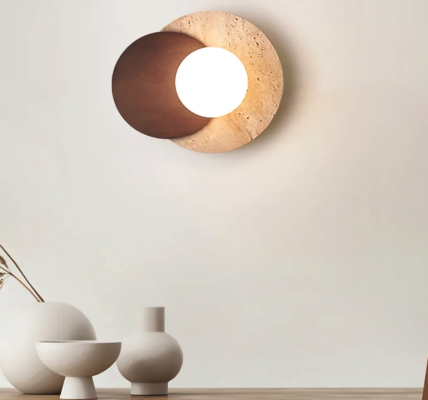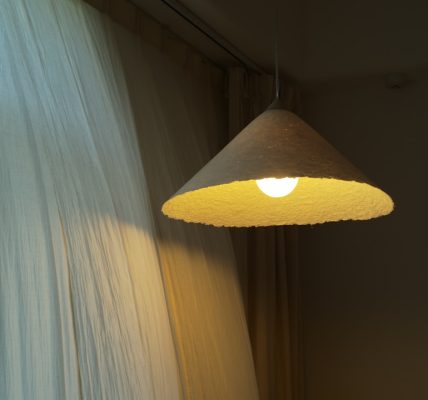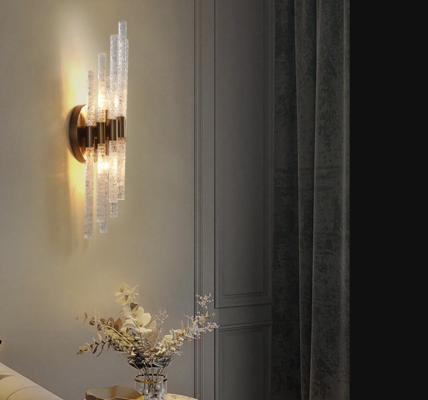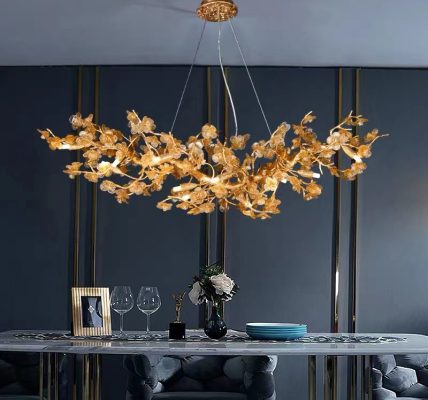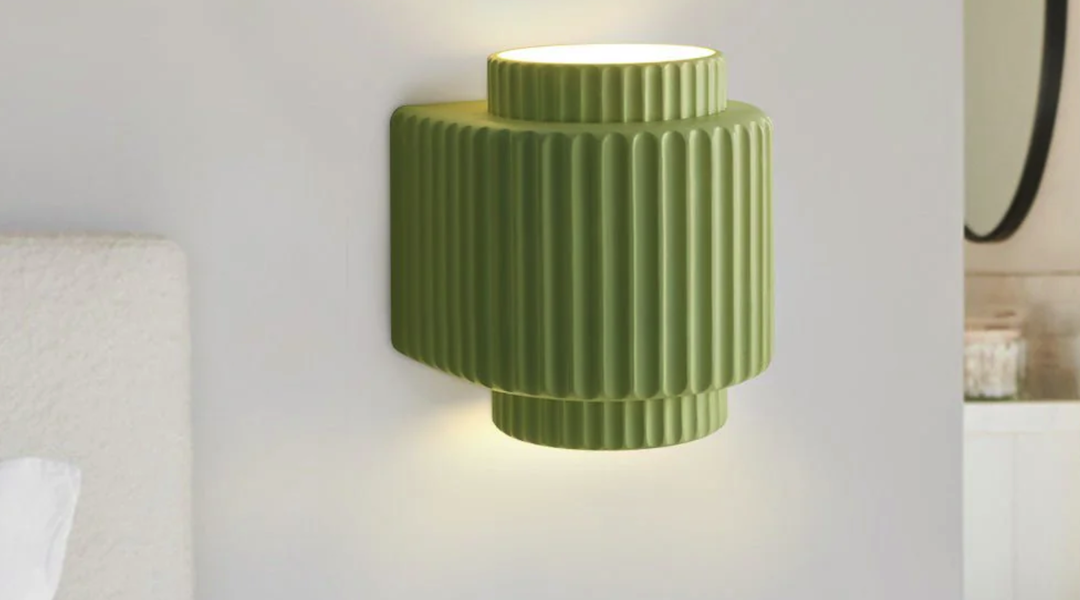

Eco-friendly lighting encompasses various practices and technologies designed to minimize environmental impact. This includes reducing energy consumption, utilizing sustainable materials, and extending product lifespans. As global concerns about climate change and resource depletion intensify, the demand for sustainable alternatives in all sectors, including home and commercial design, has grown. Traditional lighting often relies on energy-intensive manufacturing processes, non-renewable resources, and generates waste at the end of its life cycle. Eco-friendly solutions offer a path toward more responsible consumption and a reduced carbon footprint.
Energy Efficiency
One of the primary tenets of eco-friendly lighting Omloa is energy efficiency. This involves using light sources that convert a higher percentage of their consumed electricity into light, rather than heat. Modern LED (Light Emitting Diode) technology exemplifies this principle. LEDs consume significantly less energy than incandescent bulbs for the same light output, resulting in lower electricity bills and reduced demand on power grids, which often rely on fossil fuels. Beyond the light source itself, the design of the fixture can also contribute to energy efficiency by optimizing light distribution and minimizing light spill.
Sustainable Materials
The choice of materials in lighting production plays a critical role in its environmental profile. Sustainable materials are those that are renewable, recyclable, biodegradable, or have a low environmental impact during their extraction and processing. This contrasts with materials that are energy-intensive to produce, deplete non-renewable resources, or release harmful pollutants. The pursuit of sustainable materials is a continuous endeavor, involving research into novel composites, responsible sourcing, and closed-loop manufacturing systems.
Durability and Longevity
An often overlooked aspect of eco-friendliness is product durability and longevity. A well-made light fixture that lasts for many years reduces the frequency of replacement, thereby conserving resources associated with manufacturing, packaging, and transportation. Designing for durability involves selecting robust materials, employing sound engineering principles, and offering repairable components when possible. This approach stands as a counterpoint to planned obsolescence, a practice that encourages frequent consumer purchases but carries a hefty environmental burden.
The Ceramic Wall Sconce: A Sustainable Choice
Ceramic wall sconces offer a compelling case study in eco-friendly lighting. Ceramics, particularly unfired or low-fired varieties, can be produced with a lower environmental impact compared to some other common lighting materials. Their inherent durability ensures a long lifespan, and the material itself can be sourced responsibly. From the earth to the wall, a ceramic wall sconce, when thoughtfully designed and manufactured, can embody the principles of sustainable living.
Material Composition and Sourcing
Ceramics are typically made from natural clay minerals, such as kaolinite, which are abundant on Earth. The environmental impact of clay extraction varies depending on the mining practices employed. Responsible sourcing prioritizes methods that minimize habitat disruption, land degradation, and water pollution. Some manufacturers also incorporate recycled ceramic waste or industrial byproducts into their clay mixtures, further reducing the demand for virgin resources and diverting waste from landfills. The intrinsic earthiness of clay makes it a metaphor for grounding sustainable practices.
Manufacturing Process
The manufacturing process for ceramic products, including wall sconces, primarily involves forming and firing. Traditional firing can be energy-intensive due to the high temperatures required to vitrify the clay. However, advancements in kiln technology, such as electric kilns powered by renewable energy, and more efficient firing schedules, can significantly reduce energy consumption. Some artisanal methods also involve lower firing temperatures or even air-drying for certain types of ceramics, further decreasing the energy footprint. The journey of clay through the kiln is a transformative process, akin to how sustainable practices transform raw resources into valuable, enduring products.
Aesthetics and Design Flexibility
Ceramic offers significant aesthetic versatility. It can be molded into diverse forms, from minimalist geometric shapes to intricate sculptural designs. Its natural texture and potential for various glazes provide a wide range of visual effects, allowing ceramic sconces to complement diverse interior styles. From rustic to contemporary, the adaptability of ceramic ensures it can seamlessly integrate into various design palettes. This design flexibility contributes to longevity, as the sconce is less likely to become stylistically dated, further reducing the need for premature replacement.
Environmental Benefits of Ceramic Wall Sconces
Beyond their inherent material characteristics, ceramic wall sconces contribute to a healthier environment in several ways. Their use aligns with broader ecological goals, moving away from resource-intensive and waste-generating alternatives. Consider these benefits as the quiet undercurrents of responsible design, gently shaping a more sustainable future.
Reduced Carbon Footprint
The production and lifecycle of a ceramic wall sconce, particularly when conscious choices are made regarding energy, materials, and transportation, can result in a significantly reduced carbon footprint. This is primarily due to the lower energy requirements in manufacturing compared to certain plastics or metals, and the long lifespan of the product. When coupled with energy-efficient LED light sources, the operational carbon footprint is also minimized. Each ceramic sconce, like a single breath of clean air, contributes to the overall health of our planet.
Minimized Waste Generation
Ceramic is a durable material, meaning a well-made sconce will resist wear and tear for many years, thus delaying its entry into the waste stream. Furthermore, unfired or low-fired ceramics can often be rehydrated and reshaped, effectively eliminating waste during the production process. At the end of its functional life, ceramic can potentially be crushed and used as aggregate in construction, completing a circular economy loop. This process of reuse and repurposing transforms the end of a product’s life into a new beginning.
Non-Toxic Characteristics
Unlike some synthetic materials that may off-gas volatile organic compounds (VOCs) or contain heavy metals, ceramic is generally inert and non-toxic. This makes ceramic wall sconces a healthy choice for indoor environments, contributing to improved indoor air quality. For individuals sensitive to chemical exposure, or for those prioritizing a clean living space, ceramic offers a reassuringly natural option. It stands as a natural filter, allowing only clean light to pass through.
Integrating Eco-Friendly Ceramic Sconces into Your Space
Choosing to incorporate eco-friendly ceramic wall sconces into your home or commercial space is a deliberate step towards sustainable living. It’s an opportunity to align your aesthetic choices with your environmental values. This integration is not just about installing a light fixture; it’s about casting a long-lasting light on your commitment to the planet.
Evaluating Manufacturers
When selecting ceramic sconces, research the manufacturer’s commitment to sustainability. Look for companies that provide transparent information about their sourcing practices, manufacturing processes, and energy consumption. Certifications from reputable environmental organizations can also be indicators of a company’s dedication to eco-friendly production. A manufacturer’s ecological footprint is a tapestry woven from their practices; examine it closely.
Pairing with LED Technology
To maximize the eco-friendliness of your ceramic sconce, pair it with energy-efficient LED bulbs. LEDs offer superior energy efficiency, longer lifespans, and often better light quality compared to incandescent or fluorescent alternatives. Consider LEDs with dimming capabilities to further reduce energy consumption and create adjustable ambiance. The ceramic sconce provides the vessel, and the LED light, the efficient heart that radiates light.
Longevity and Maintenance
Ceramic sconces are naturally durable, but proper care can extend their lifespan even further. Regular, gentle cleaning with mild soap and water can maintain their appearance. Avoid abrasive cleaners that could damage glazes or finishes. Should a light source fail, select an energy-efficient replacement. By treating your sconce with care, you are tending to a long-term investment, ensuring its light continues to shine for years to come.
The Future of Eco-Friendly Ceramic Lighting
The landscape of eco-friendly lighting is continually evolving, with innovations pushing the boundaries of what is possible. Ceramic, with its inherent qualities, is well-positioned to contribute significantly to this future. The future gleams with possibilities, and ceramic is a steadfast material ready to reflect them.
Advanced Materials and Composites
Research is ongoing into developing advanced ceramic materials and composites that offer enhanced performance and reduced environmental impact. This includes exploring ceramics made from industrial waste streams, creating self-cleaning glazes that reduce maintenance needs, or developing ceramics with integrated photovoltaic elements for solar-powered lighting. Imagine a ceramic that not only illuminates but also harvests the sun’s energy, a beacon of self-sufficiency.
Digital Fabrication and Customization
The advent of digital fabrication technologies, such as 3D printing with ceramic materials, opens new avenues for customization and waste reduction. This allows for the creation of intricate designs with minimal material waste and on-demand production, reducing inventory and transportation needs. The digital loom can weave light fixtures tailored to precise specifications, minimizing the excess thread.
Circular Economy Models
The ultimate goal for eco-friendly ceramic lighting lies within circular economy models. This involves designing products for disassembly, repair, and eventual reintroduction of materials into the production cycle. Manufacturers are exploring take-back programs and partnerships with recycling facilities to ensure that ceramic sconces, at the end of their very long lives, do not become waste but rather resources for new creations. This closed loop is a dance between creation and recreation, honoring the material’s full journey.
By embracing eco-friendly ceramic wall sconces, you are participating in a larger movement towards a more sustainable and responsible approach to design and consumption. You are not simply illuminating a space; you are illuminating a path towards a brighter, greener future. Each sconce becomes a quiet testament to a conscious choice, a flicker of hope for the planet.