
Finding the right color temperature for your anti-glare downlights is key to creating comfortable lighting in your home or office. It’s not just about brightness; the warmth or coolness of the light significantly impacts how a space feels and how well you can perform tasks within it. In short, warmer temperatures (like 2700K-3000K) are generally best for relaxation and living areas, while cooler temperatures (like 4000K) are more suitable for task-oriented spaces where alertness is desired. However, the ‘best’ choice is often a blend of personal preference and the specific function of each room.
Understanding Color Temperature and Glare
Before we dive into recommendations, let’s briefly clarify what we’re talking about. Color temperature, measured in Kelvin (K), describes the appearance of the light produced by a bulb. It’s not about how hot the bulb physically gets, but rather the color cast it gives off. Lower Kelvin values, like 2700K, appear warm and yellowish, similar to traditional incandescent bulbs. As the Kelvin value increases, the light becomes cooler, moving through neutral whites (around 3500K-4000K) to bluer, almost sterile whites (5000K and above).
Glare, on the other hand, is the uncomfortable sensation or reduced visibility caused by a bright light source in your field of vision. Anti-glare downlights are specifically designed to minimize this. They achieve this through recessed light sources, diffusers, or specialized optics that control the light beam, preventing harsh light from directly hitting your eyes. Combining the right color temperature with anti-glare properties ensures both visual comfort and effective illumination.
The Kelvin Scale Demystified
The Kelvin scale might seem a bit counterintuitive at first. Think of it like this: a lower number means a “warmer” light, resembling candlelight or a sunset. As the numbers go up, the light gets “cooler,” closer to daylight or even a clear blue sky.
- 2200K – 2700K (Very Warm White): This is a very soft, amber glow, often used for decorative purposes or extremely cozy, intimate settings. It’s reminiscent of candlelight or a very dim, warm incandescent.
- 2700K – 3000K (Warm White): The most common choice for residential spaces, this light mimics traditional incandescent bulbs. It’s inviting and relaxing, making skin tones and warm colors look good.
- 3500K – 4000K (Neutral White / Cool White): This range is a good balance between warmth and coolness. It’s less yellow than warm white but not starkly blue. Often found in offices, kitchens, and bathrooms where tasks are performed.
- 4000K – 5000K (Cool White / Daylight White): This light is bright and crisp, promoting alertness and visual clarity. It has a slight blue tint and is commonly used in commercial settings, garages, or areas requiring high concentration.
- 5000K+ (Daylight Blue): Mimicking natural daylight on a clear day, this light can feel quite clinical or industrial. Rarely used in residential settings unless for specific task lighting (e.g., color matching in a studio).
The anti-glare feature is particularly important with higher Kelvin values. A 4000K or 5000K light source, while bright, can be quite harsh if not properly diffused or recessed. Anti-glare downlights help tame this intensity, making even cooler temperatures more tolerable for extended periods.
Matching Color Temperature to Room Function
Selecting the right color temperature isn’t a one-size-fits-all situation. Different activities and moods call for different light qualities. Here’s a practical breakdown by room type, keeping anti-glare benefits in mind.
Living Rooms and Bedrooms: The Cozy Zones
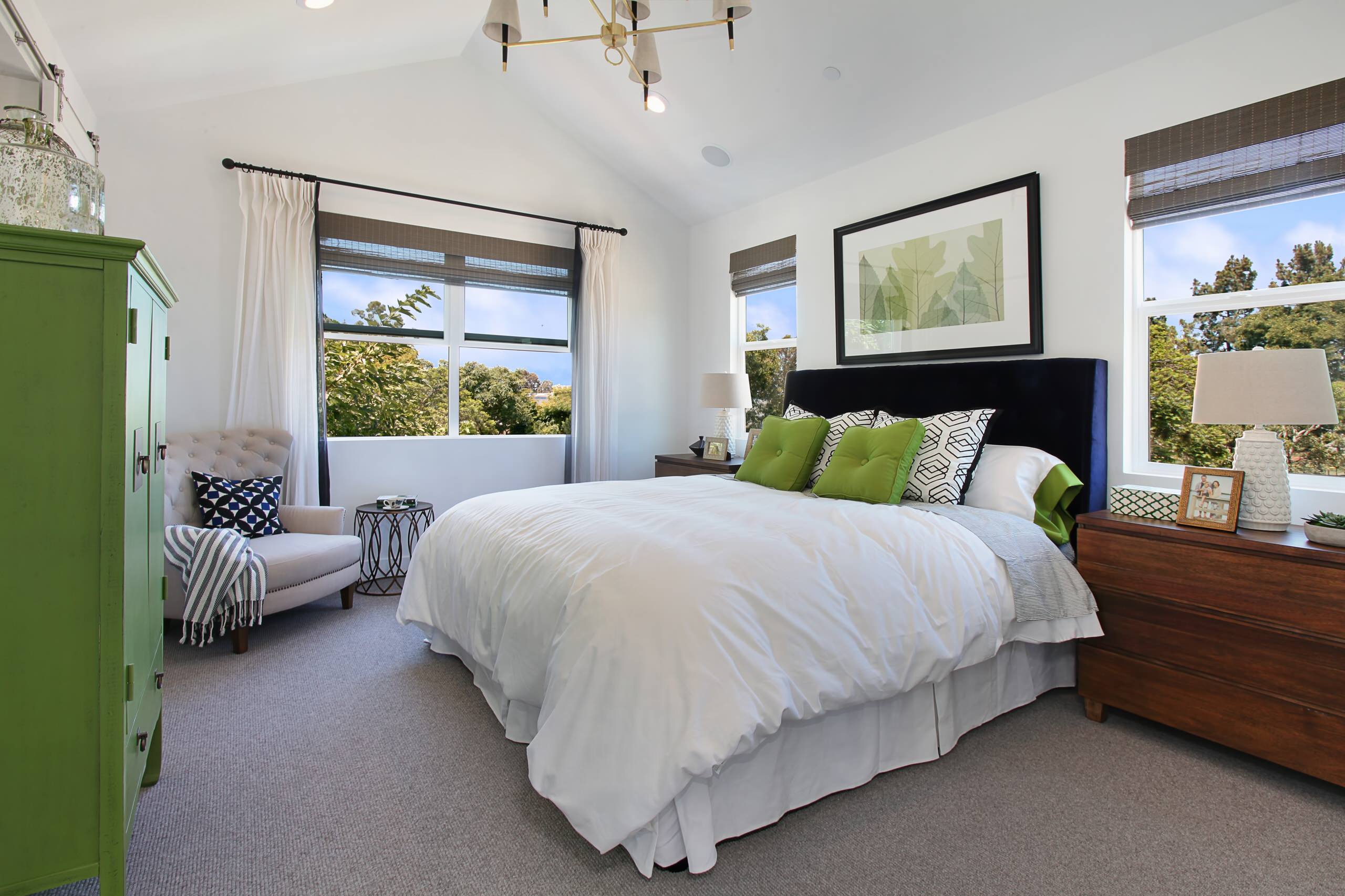
For living rooms and bedrooms, comfort and relaxation are usually top priorities. This is where you unwind, read, watch TV, or sleep.
- Recommended Range: 2700K – 3000K (Warm White).
- Why: This warmer light promotes a sense of coziness and calm. It makes colors appear richer and skin tones more flattering, contributing to a welcoming atmosphere. It’s less stimulating than cooler light, which can interfere with melatonin production and sleep. Anti-glare downlights in this range ensure that while the light is soft, it effectively illuminates without creating harsh spots or reflections that disrupt relaxation. Think of it as mimicking the warm glow of a traditional fireplace or sunset. If you have dimmer switches, even better – you can adjust the brightness while maintaining that inviting warmth.
Kitchens and Bathrooms: Task-Oriented Spaces
Kitchens and bathrooms often require more functional lighting, where clarity and accuracy are important for tasks like cooking, applying makeup, or shaving.
- Recommended Range: 3500K – 4000K (Neutral White / Cool White).
- Why: This range provides a brighter, more accurate light that helps with visual tasks without being overly sterile. In the kitchen, it helps you see true food colors and cut precisely. In the bathroom, it provides good visibility for grooming tasks. While 4000K can feel a bit cool for some, the anti-glare properties of the downlights prevent it from being harsh or creating distracting reflections off shiny surfaces (tiles, mirrors). If 4000K feels too stark, consider stepping down to 3500K for a slightly warmer, yet still functional, feel. Some people even prefer 3000K in kitchens for a cozier feel, especially if it’s an open-plan space connecting to a living area, but be mindful of task visibility.
Home Offices and Studies: Focus and Productivity
When you’re working, studying, or engaging in hobbies that require concentration, lighting plays a crucial role in maintaining alertness and reducing eye strain.
- Recommended Range: 4000K (Cool White).
- Why: Light in the 4000K range mimics natural daylight more closely, which is known to boost alertness and cognitive performance. It provides excellent contrast for reading and reduces perceived eye strain over long periods compared to dimmer, warmer lights. For a home office, especially where you’re looking at screens, anti-glare downlights are incredibly important. They prevent reflections on monitors and ensure that the light is evenly distributed, reducing hotspots that can cause discomfort. While some might push for 5000K, 4000K generally strikes a better balance, being crisp without feeling overly clinical in a home setting.
Hallways, Corridors, and Utility Areas: Practical Illumination
These areas are primarily about safe passage and basic visibility.
- Recommended Range: 3000K – 4000K.
- Why: The choice here often depends on how these areas connect to other rooms. If a hallway connects a warm living room to a warm bedroom, 3000K provides a consistent feel. If it leads to a cooler kitchen or office, 3500K or 4000K might be more appropriate. The key here is good, even illumination without harsh spots, which anti-glare downlights deliver effectively. Since you’re often just passing through, absolute comfort isn’t as critical as in a living room, but preventing glare is still important for safety and clear navigation.
Considering Your Home’s Aesthetic and Materials
Beyond specific room functions, the overall aesthetic of your home, the colors on your walls, and even the materials you’ve chosen can influence the ideal color temperature for your anti-glare downlights. Lighting isn’t just about visibility; it’s a powerful tool for setting the mood and enhancing your interior design.
Impact on Wall Colors and Furnishings
Different color temperatures will render colors in your room differently.
- Warm White (2700K-3000K): This light will enhance warm tones – reds, oranges, yellows, and natural wood finishes will appear richer and more vibrant. Cool tones (blues, greens, grays) might appear slightly muted or warmer than their true color. If your home features a lot of warm wood, earthy tones, or a traditional aesthetic, warm white will complement it beautifully.
- Neutral White (3500K-4000K): This range provides a more accurate representation of colors. Both warm and cool tones will appear closer to their true shade. This is a versatile choice for modern or transitional homes with a mix of color palettes. It’s often chosen when you want colors to look as they would in natural daylight.
- Cool White (4000K-5000K): This light will make cool tones pop – blues and greens will appear crisp and vibrant. Warm tones, however, might appear slightly duller or even have a faint grayish cast. If your home has a minimalist, contemporary, or industrial design with lots of cool grays, blues, and whites, a cooler temperature can reinforce that aesthetic.
Always test samples if you’re unsure. A small LED downlight can be purchased at various color temperatures to see how it interacts with your specific paint colors, fabrics, and flooring before committing to a full installation.
Architectural Style and Period
The architectural style of your home can also inform your color temperature choices.
- Traditional or Classic Homes: These often benefit from warmer lighting (2700K-3000K) that complements their typically richer color palettes, wood finishes, and ornate details. This evokes a sense of timeless elegance and comfort.
- Modern or Contemporary Homes: With their clean lines, minimalist aesthetics, and often cooler color schemes, these homes can often handle neutral to cool whites (3500K-4000K) very well. This reinforces a crisp, uncluttered, and sophisticated feel.
- Industrial Lofts: Exposed brick, metal, and concrete often pair effectively with neutral to cool whites (3500K-4000K) to highlight textures and maintain an authentic, raw aesthetic.
Remember, these are guidelines, not strict rules. Personal preference is always paramount. However, considering the inherent qualities of your home’s design can help you make a more cohesive and pleasing lighting choice.
The Role of Dimming and Smart Lighting
While selecting the initial color temperature is crucial, modern lighting technology offers even more flexibility. Dimming capabilities and smart lighting systems allow you to fine-tune your environment, adapting to different times of day or specific activities. When paired with anti-glare downlights, these features elevate comfort and functionality.
Dimming for Versatility
Even if you choose a single fixed color temperature, incorporating dimmable anti-glare downlights significantly increases their utility.
- Adjusting Brightness: Dimming allows you to reduce the intensity of the light when full brightness isn’t needed, saving energy and extending bulb life. For example, a 3000K downlight in a living room can be bright for cleaning but dimmed low for a cozy movie night.
- Mood Creation: Dimming directly impacts the mood of a room. A brightly lit space feels energetic, while a softly lit space feels intimate. Even a 4000K downlight in a kitchen can be dimmed to a lower level in the evening, making the space feel less stark without changing its inherent color temperature.
- Reducing Glare (Indirectly): While anti-glare downlights actively manage glare, dimming further reduces the perceived brightness of a light source, which can enhance comfort, especially in very dark environments where even a well-controlled light might feel intense.
Ensure that your downlights are specified as “dimmable” and that you pair them with compatible LED dimmers. Not all dimmers work with all LED lights, and using the wrong type can lead to flickering, buzzing, or premature bulb failure.
Tunable White and Color-Changing Options
This is where smart lighting truly shines, offering unparalleled flexibility in color temperature.
- Tunable White Downlights: These advanced downlights allow you to change the color temperature dynamically, typically within a range of 2700K to 5000K or even wider. This means a single fixture can be warm white in the evening for relaxation and cool white in the morning for alertness.
- Benefits: This is ideal for multi-functional rooms (e.g., an open-plan kitchen/living area) or for supporting circadian rhythms. You can program the lights to automatically shift from cooler, brighter light in the morning/day to warmer, dimmer light in the evening, aligning with your body’s natural clock.
- Integration: Tunable white downlights usually require a smart home hub or a dedicated app to control them. They can often be integrated with voice assistants or scheduled routines.
- RGBW/RGBWW Downlights (Color-Changing): These fixtures go a step further, allowing you to choose not just white color temperatures but also a full spectrum of colors (red, green, blue, etc.). The “W” or “WW” indicates that they also include dedicated white LEDs (either warm white or both warm and cool white) for better quality white light.
- Benefits: While perhaps overkill for primary functional lighting in most homes, these can be fun for accent lighting, creating specific moods for parties, or even dynamic therapeutic lighting.
- Considerations: The quality of the white light from some RGBW fixtures can sometimes be slightly inferior to dedicated white-only or tunable white fixtures. It’s important to check the CRI (Color Rendering Index) for accurate color representation.
When exploring tunable or color-changing downlights, always verify they still incorporate effective anti-glare mechanisms. The ability to change color temperature shouldn’t come at the expense of visual comfort.
Practical Tips for Choosing and Installing
Making the final decision about your anti-glare downlights involves more than just color temperature. Considering the practical aspects of selection and installation will ensure you achieve the comfortable and functional lighting you desire.
Consider Beam Angle
The beam angle refers to how wide or narrow the light spread is from the downlight.
- Narrow Beam (e.g., 24-36 degrees): Creates more focused “spotlight” effects, ideal for highlighting artwork, architectural features, or specific task areas. You might need more fixtures to achieve overall ambient light with narrow beams.
- Wide Beam (e.g., 60-90 degrees): Provides a broader, more diffused light, better for general ambient illumination across a larger area. Fewer fixtures might be needed for overall brightness.
Anti-glare downlights with narrower beams often inherently reduce glare because the light is more contained. However, a wide beam anti-glare fixture, especially with a deep-set baffle, can still provide excellent comfort while covering more ground. Think about what you want to illuminate: general room light or specific points of interest.
Look for High CRI (Color Rendering Index)
CRI measures how accurately a light source renders colors compared to natural sunlight. A CRI of 100 is perfect, like natural daylight.
- Residential Recommendation: Aim for a CRI of 80 or higher.
- Why: A high CRI ensures that colors in your home (paint, furniture, food, skin tones) look natural and vibrant, not washed out or distorted. This is especially important in kitchens (for food presentation) and bathrooms (for accurate makeup application). Most quality LED downlights today offer a CRI of 80+, but it’s always worth checking the specifications, particularly if you’re sensitive to color accuracy.
Installation and Spacing
Proper installation and spacing are crucial for even illumination and to maximize the anti-glare benefits.
- Even Spacing: Avoid “spotlighting” effects by spacing downlights evenly to provide uniform ambient light. A common guideline for general lighting is to space them approximately 4-6 feet apart, but this varies significantly based on ceiling height, room size, and desired light levels.
- Distance from Walls: Placing downlights too close to walls can create harsh “wall wash” effects or unwanted shadows. A general rule of thumb is to place them at least 1.5-2 feet away from the wall for a softer effect.
- Ceiling Height: Higher ceilings require brighter downlights (higher lumens) or closer spacing to achieve the same light level at floor height.
- Consider Task Lighting: Downlights are excellent for general ambient light, but consider supplementing with dedicated task lighting (e.g., under-cabinet lights in the kitchen, desk lamps in the office) for specific activities. This layering of light creates a more flexible and functional space.
- Professional Installation: If you’re unsure about wiring or layout, it’s always best to consult or hire a qualified electrician. They can ensure safety, proper placement, and adherence to local building codes.
By carefully considering color temperature, beam angle, CRI, and smart features, alongside thoughtful placement, your anti-glare downlights will provide comfortable, effective, and aesthetically pleasing illumination for years to come. It’s an investment in your home’s comfort and functionality.