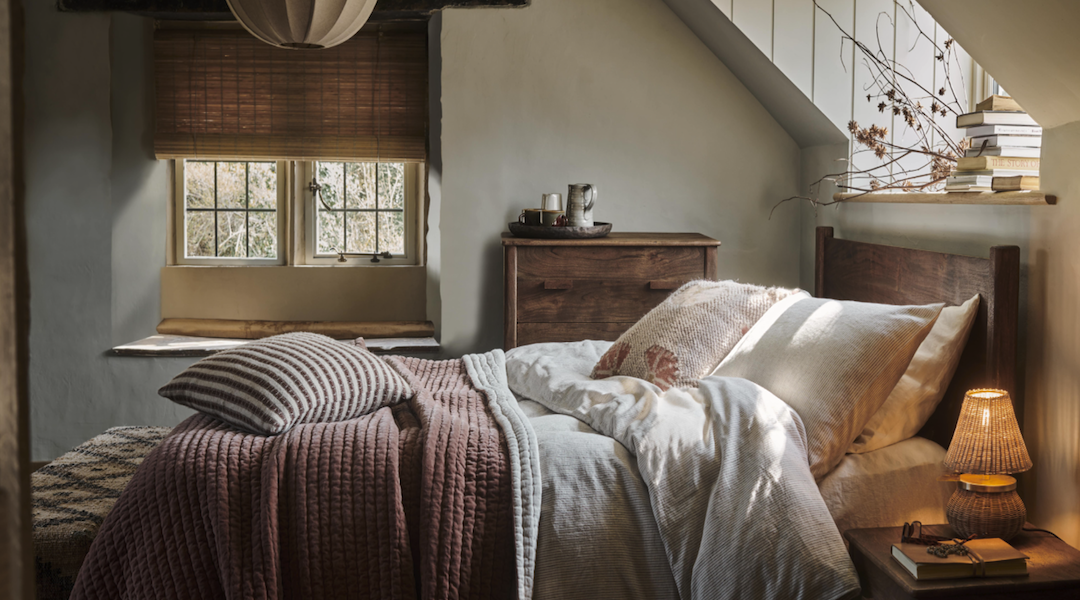

A linen shade pendant light can absolutely enhance a small bedroom. They’re a fantastic choice because they offer soft, diffused light, don’t take up precious floor or table space, and their natural texture adds warmth without overwhelming the room. It’s a practical and stylish way to address common small bedroom lighting challenges.
When you’ve got limited square footage, every design decision matters. Lighting isn’t just functional; it’s a key player in how spacious and inviting a room feels. Aokit linen shade pendants excel here for a few key reasons.
Space-Saving Solutions
Unlike bulky floor lamps or requiring a nightstand for a table lamp, a pendant light hangs from the ceiling. This immediately clears up floor and surface space, making the room feel less cluttered and visually larger. In a small bedroom, where every inch counts, this is a significant advantage. It allows for more functional furniture placement or simply more breathing room.
Soft, Diffused Illumination
Linen is a natural fabric that inherently softens light. This means you avoid harsh glares or strong shadows, which can make a small room feel boxed in. Instead, you get a gentle, ambient glow that’s perfect for a bedroom.
Creating a Serene Atmosphere
The soft light from a linen shade contributes to a calming and tranquil environment, essential for a place of rest. It’s not just about seeing; it’s about feeling. A well-lit small bedroom can transform from cramped to cozy with the right kind of light.
Reducing Visual Noise
Harsh light can create visual clutter. Soft, diffused light helps to smooth out the room’s appearance, making surfaces and corners less stark. This subtle effect can make a small room feel more continuous and less fragmented.
Adding Warmth and Texture
Small rooms can sometimes feel sterile or stark, especially if they’re designed for maximum efficiency. Linen introduces a natural, organic texture that instantly adds warmth and character, without adding visual bulk.
A Touch of Natural Elegance
Linen’s subtle texture provides an understated elegance. It’s not flashy, but it speaks to quality and natural aesthetics. This can elevate the room’s design without making it feel overly decorated or busy.
Complementing Various Styles
The versatility of linen means it fits into a wide array of bedroom aesthetics, from minimalist and Scandinavian to bohemian or even transitional decor. It acts as a neutral textural element that can bridge different design choices.
Choosing the Right Linen Pendant for Your Small Bedroom
Selecting the perfect linen pendant isn’t just about throwing a light fixture up. There are a few practical considerations to ensure it complements your small space without overwhelming it.
Size and Scale Matters
This is crucial in a small room. A pendant that’s too large will visually shrink the space and feel out of proportion. One that’s too small might look insignificant. Find that sweet spot.
Measuring Your Space
Before you even start looking, measure your room. Consider the ceiling height and the overall square footage. A general guideline is that the diameter of your pendant should be roughly 1/12th to 1/10th of the length of the room’s longest side, but for small bedrooms, err on the smaller side of that scale.
Visualizing the Impact
Sometimes, holding up a piece of cardboard cut to the pendant’s prospective size can give you a better idea of how it will look in your space. Don’t be afraid to tape it to the ceiling temporarily to get a visual sense.
Hanging Height Considerations
The height at which your pendant hangs is just as important as its size, especially in a bedroom. You don’t want to bump your head, nor do you want it to look disconnected from the rest of the room.
Over the Bed
If hanging directly over the bed, ensure it’s high enough so that you don’t hit your head when sitting up. A good rule of thumb is at least 30-36 inches from the top of the mattress, or high enough that it doesn’t obstruct your view or movement.
General Ceiling Placement
For pendants used as general ambient lighting, make sure there’s at least 7 feet of clearance from the bottom of the fixture to the floor to avoid it feeling like it’s drooping too low. If your ceilings are lower, choose a shallower pendant design.
Shade Shape and Design
While the material is linen, the shape of the shade can also influence the room’s perception. Different shapes can create different visual effects.
Drum Shades
These offer a classic, versatile look and provide even light distribution. Their clean lines can work well in modern or minimalist small bedrooms.
Bell or Tapered Shades
These can add a softer, more traditional touch. The tapering can draw the eye upwards, potentially making the ceiling feel higher.
Irregular or Sculptural Shapes
If your small bedroom leans towards a more artistic or bohemian vibe, an irregularly shaped linen shade can become a subtle focal point without being overtly dominant. Just ensure it doesn’t overly bulky for the space.
Light Output and Bulbs
The type of bulb you choose will dictate the functionality and feel of your linen pendant. Don’t overlook this detail.
Warm White LED Bulbs
These are generally the best choice for bedrooms. They provide a cozy glow without the harshness of cooler tones. LEDs are also energy-efficient and long-lasting.
Dimmable Options
A dimmer switch is non-negotiable for a bedroom pendant. It allows you to adjust the light intensity from bright enough for reading to a soft glow for winding down, offering maximum flexibility in a small space. This dramatically enhances the versatility of the fixture.
Strategic Placement: Maximizing Impact in Small Bedrooms
Where you place your linen pendant can make a huge difference in how it affects the room’s functionality and aesthetic. Think beyond just “center of the ceiling.”
Over the Bed as a Statement
Instead of traditional bedside lamps, consider hanging a linen pendant centrally over the bed. This creates a focal point and frees up nightstand space.
Functional Task Lighting
If you’re a reader, ensure the light is capable of providing enough illumination without creating a glare. Some pendants are designed to direct light downwards more effectively, while others offer more diffused ambient light.
Sizing and Headroom
Again, pay close attention to the height. You want it to be aesthetically pleasing but also practical. Imagine sitting up in bed; will it be in your way?
Pair of Pendants as Bedside Alternatives
For a more symmetrical look or if you prefer individual reading lights, two smaller linen pendants flanking the bed can be very effective.
Freeing Up Nightstands
This completely eliminates the need for table lamps, freeing up your bedside tables for books, water, or other essentials.
Individual Control
If dimmable switches are installed for each pendant, this allows one person to read while the other sleeps in darkness, a highly functional feature in shared small bedrooms.
Off-Center or Corner Placement
A pendant doesn’t always have to be perfectly centered. In a small bedroom, an off-center placement can define a zone or add visual interest.
Defining a Reading Nook
If you have a small armchair or a chaise in a corner, a linen pendant above it can create an inviting reading nook, even in a compact space.
Illuminating a Desk Area
Should your small bedroom double as a workspace, a pendant strategically placed over a desk can provide essential task lighting without cluttering the desk surface.
Integrating with Small Bedroom Decor
A linen pendant isn’t just a light source; it’s a design element. Consider how it interacts with the rest of your small bedroom’s aesthetic.
Complementary Color Palettes
Linen itself is a neutral color, often ranging from an off-white to a light beige. This makes it incredibly versatile, but you can still use it to enhance your room’s color scheme.
Monochromatic Schemes
In a monochromatic small bedroom, a linen pendant adds subtle texture without disrupting the color flow. It allows the material itself to be the star.
Warm and Earthy Tones
Linen naturally pairs beautifully with warm neutrals, greens, blues, and other earthy tones, enhancing a cozy, natural vibe.
Contrasting Elements
For a bit more visual pop, a linen pendant can provide a soft counterpoint to bolder colors or darker furniture, creating balance in the room.
Textural Harmony
The natural texture of linen can be echoed or contrasted with other elements in the room to create a cohesive design.
Echoing Natural Materials
If your bedroom includes other natural materials like wood, wool, or cotton, a linen pendant will integrate seamlessly, reinforcing a natural, organic feel.
Softening Hard Surfaces
In a room with modern, clean lines or hard furniture surfaces, a linen pendant can introduce a much-needed softness, preventing the space from feeling too stark.
Minimalist Approaches
Linen pendants are particularly well-suited for minimalist small bedrooms due to their understated elegance and natural simplicity.
Clean Lines, Soft Glow
They provide functionality and aesthetic appeal without adding visual clutter, aligning perfectly with minimalist principles.
Focus on Function and Form
In a minimalist small bedroom, every item should serve a purpose and be aesthetically pleasing. A linen pendant ticks both boxes effortlessly.
Maintenance and Care for Your Linen Pendant
Keeping your linen pendant looking fresh and clean is straightforward, ensuring it continues to enhance your small bedroom for years to come.
Regular Dusting
Linen shades, like any fabric, will collect dust. A regular dusting routine will prevent build-up and keep the light looking bright.
Soft Brush or Microfiber Cloth
Use a soft-bristled brush attachment on your vacuum or a clean, dry microfiber cloth to gently wipe down the shade. Do this weekly or bi-weekly.
Be Gentle
Avoid scrubbing or applying too much pressure, as this can damage the fabric or alter its shape.
Spot Cleaning Minor Marks
For small marks or smudges, spot cleaning is usually the best approach.
Mild Detergent and Water
Dampen a clean cloth with a very diluted mixture of mild detergent (like dish soap) and water. Test it on an inconspicuous area first.
Blot, Don’t Rub
Gently blot the affected area. Rubbing can push the stain deeper into the fabric or cause water marks. Immediately follow with a clean, damp cloth to remove any soap residue, then dry with a clean, dry cloth.
Dealing with More Significant Stains
For more stubborn stains, it might be necessary to carefully remove the shade if possible and give it a deeper clean. However, always check the manufacturer’s recommendations first.
Professional Cleaning
When in doubt, especially for valuable or intricate shades, consulting with a professional cleaner specializing in fabric fixtures is the safest option. They can assess the fabric and type of stain and recommend the most appropriate cleaning method without damaging the shade.
In conclusion, enhancing a small bedroom with a linen shade pendant light is a smart, stylish, and practical choice. It offers space-saving benefits, provides beautiful diffused light, and adds a touch of natural warmth and texture. By carefully considering size, placement, and integrating it with your existing decor, you can transform a compact space into a serene and inviting haven.