
Kitchen island hanging lights serve a dual purpose: they provide essential illumination for food preparation and dining, and they act as a significant design element that can anchor and define the kitchen space. When selecting these fixtures, functionality and aesthetics are intertwined, much like the threads of a well-woven tapestry. The right lighting can transform a utilitarian workspace into the heart of the home.
Task Lighting
Effective kitchen island lighting prioritizes task illumination. This is the bright, focused light needed for chopping vegetables, mixing ingredients, or reading recipes. Without adequate task lighting Homehubz, the island can become a dimly lit shadow, hindering culinary activities. The intensity and spread of the light are crucial considerations. You want to avoid both under-lighting, which leads to poor visibility and potential accidents, and over-lighting, which can create glare and an uncomfortable environment.
Ambient Lighting
Beyond task illumination, hanging lights contribute to the overall ambient light of the kitchen. This softer, more diffused light helps create a welcoming atmosphere and can reduce the stark contrast between the bright task areas and the rest of the room. Ambient lighting contributes to the mood of the space, making it suitable for casual dining or entertaining guests.
Defining Zones
Hanging lights act as visual cues, marking the kitchen island as a distinct zone within an open-plan layout. Their placement above the island creates a focal point, drawing the eye and establishing the island as a central hub for activity. This helps to visually separate the kitchen from the living or dining areas, providing a sense of order and structure.
Height Considerations
The correct hanging height is paramount for both function and form. Too low, and the lights can obstruct views or become a hazard for taller individuals. Too high, and they may fail to provide adequate task lighting and lose their impact as a design feature. A common guideline is to hang fixtures 28 to 35 inches above the countertop surface for pendant lights. However, this can vary depending on the size and style of the fixture. The goal is to create a balance, where light is directed effectively without being obtrusive.
Scale and Proportion
The size of the hanging lights should be in proportion to the size of the island and the overall kitchen. Large, bulky fixtures can overwhelm a small island, while small, delicate lights might appear lost on an expansive countertop. Consider the visual weight of the fixtures; a cluster of slender pendants can offer a different effect than a single, substantial chandelier. This principle of scale is akin to choosing furniture for a room; each piece needs to relate harmoniously to its surroundings.
Styles of Stylish Kitchen Island Hanging Lights
The spectrum of styles available for kitchen island hanging lights is broad, catering to diverse interior design preferences. Each style brings its own character, influencing the overall ambiance of the kitchen.
Modern and Contemporary
Modern and contemporary designs often feature clean lines, geometric shapes, and minimalist aesthetics. Materials like brushed nickel, chrome, stainless steel, and glass are common. These fixtures aim for understated elegance and functionality. They tend to integrate seamlessly into a kitchen that emphasizes simplicity and efficiency.
Linear Pendants
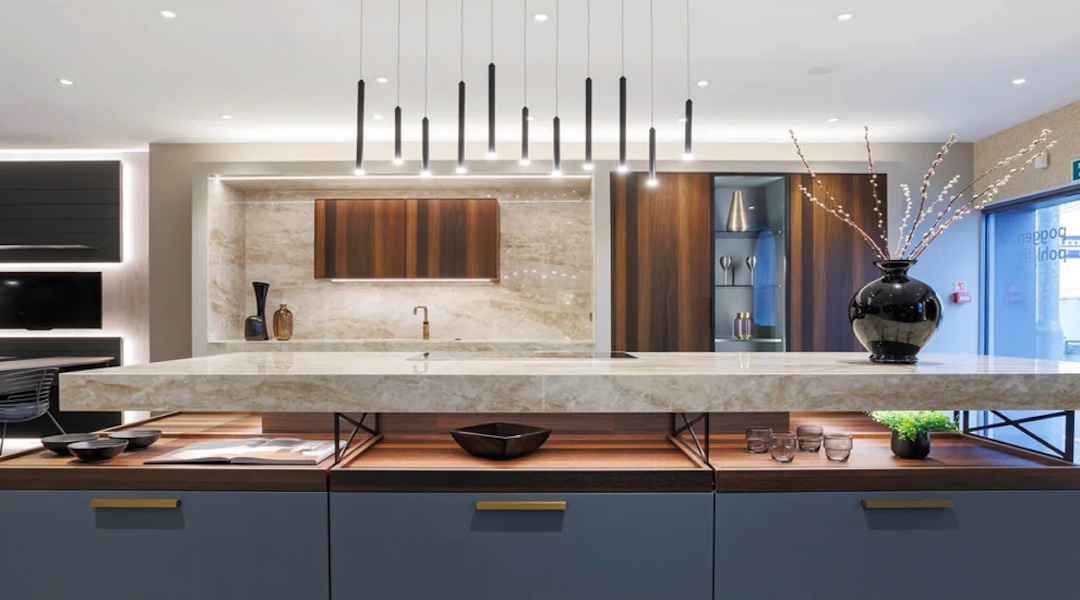
Linear pendants, often a series of bulbs or a single elongated bar, are a popular contemporary choice. They provide a wide spread of light, ideal for illuminating the length of a long island. Their sleek profile makes them a less intrusive option, maintaining an open feel in the kitchen.
Geometric Fixtures
Fixtures with geometric forms, such as spheres, cubes, or angular shapes, add a sculptural element to the kitchen. These can be made from metal, glass, or even concrete, offering a tactile and visual interest. They are notable for their ability to add a touch of artistic flair without overwhelming the space.
Minimalist Designs
Minimalist hanging lights prioritize essential form and function. They often feature simple silhouettes, single bulbs, or barely-there structures. The emphasis is on form and the quality of light produced, rather than elaborate ornamentation. These are effective when the island itself is a strong design feature.
Industrial and Rustic
Industrial-inspired lighting often draws from factory and utilitarian aesthetics. Think exposed bulbs, metal cages, and raw finishes. Rustic styles embrace natural materials and a more handmade feel, incorporating wood, aged metals, and textured elements.
Edison Bulb Pendants
Pendants designed to showcase exposed Edison bulbs are a hallmark of industrial and rustic styles. The warm, vintage glow of these bulbs contributes to a cozy and inviting atmosphere. They often feature simple metal or glass shades, or no shade at all, focusing attention on the filament.
Metal Cage Fixtures
Fixtures with metal cages, whether simple wire or more intricate designs, evoke a sense of robust utility. These can add a touch of edginess and character to a kitchen, particularly when paired with materials like brick or reclaimed wood.
Barn and Farmhouse Styles
Inspired by rural aesthetics, these lights often incorporate natural wood elements, distressed metal finishes, and classic shapes like barn lights or mason jar pendants. They lend a sense of warmth and history to the kitchen space, creating a welcoming and grounded feel.
Traditional and Classic
Traditional and classic hanging lights often feature more ornate designs, richer materials, and familiar silhouettes. Think chandeliers, tiered pendants, and fixtures with detailed metalwork and decorative glass.
Crystal Chandeliers
While sometimes perceived as overly formal, smaller, more understated crystal chandeliers can add a touch of elegance and sparkle to a kitchen island. They reflect light beautifully, contributing to both task and ambient illumination.
Tiered or Multi-Light Pendants
Fixtures with multiple lights arranged in tiers or clusters offer a more substantial presence. These can provide ample illumination and act as a significant decorative element, drawing inspiration from classic chandelier designs.
Bell or Bowl Shaped Shades
Pendants with classic bell or bowl-shaped shades, often made of frosted or colored glass, are a staple in traditional kitchens. They provide a softer, more diffused light and are available in a wide range of finishes to complement existing décor.
Materials and Finishes
The choice of materials and finishes for kitchen island hanging lights plays a crucial role in their durability, maintenance, and aesthetic contribution. These elements should align with the overall kitchen design and the desired visual impact.
Metals
Metals are a prevalent material for hanging lights, offering a range of looks and practical advantages.
Stainless Steel
Stainless steel, in its brushed or polished forms, offers a sleek and modern appearance. It is durable, resistant to corrosion, and easy to clean, making it a practical choice for a kitchen environment. Its reflective quality can also enhance the brightness of the area.
Brushed Nickel
Brushed nickel provides a softer, matte finish compared to polished chrome or stainless steel. It is a versatile choice that complements a wide array of cabinet finishes and countertop materials, offering a warm yet contemporary feel.
Copper and Brass
Copper and brass, in their polished or antiqued states, can add warmth and a touch of vintage charm. Polished brass offers a rich, lustrous sheen, while antiqued finishes provide a more subdued, aged patina. These metals can bring a sophisticated or rustic element, depending on the treatment.
Matte Black
Matte black hardware and fixtures have gained significant popularity in contemporary design. This finish offers a bold, graphic contrast that can ground a kitchen space. It is also adept at hiding smudges and fingerprints, a practical consideration in a busy kitchen.
Glass
Glass is used in various forms to diffuse, direct, or enhance light.
Clear Glass
Clear glass shades allow for maximum light transmission, making them ideal for task lighting. They can also showcase decorative bulbs, such as Edison bulbs, to add visual interest. Fixtures with clear glass often have a minimalist or industrial aesthetic.
Frosted Glass
Frosted glass diffuses light, creating a softer, more diffused illumination. This is effective for reducing glare and creating a more ambient lighting effect. It can also contribute to a more traditional or contemporary look, depending on the fixture’s design.
Colored Glass
Glass in various colors can be used to add a pop of personality or to complement the kitchen’s color scheme. Amber, blue, or green glass can cast a subtle hue, influencing the overall mood of the space.
Other Materials
Beyond metals and glass, other materials contribute to the diversity of hanging light options.
Wood Accents
Wood elements, whether in the form of a base, stem, or decorative detailing, can introduce natural warmth and texture. These are particularly effective in rustic, farmhouse, or transitional kitchen designs, bridging the gap between natural and manufactured elements.
Ceramic and Porcelain
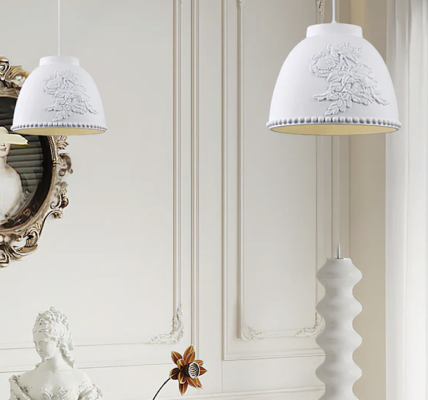
Ceramic or porcelain shades can offer a distinct visual texture and a sense of handcrafted quality. These materials can be glazed in a variety of colors and finishes, providing a unique decorative option.
Types of Kitchen Island Hanging Lights
The categorization of kitchen island hanging lights can be understood by their structural form and the number of lights they incorporate. This classification helps in selecting the most appropriate fixture for both functional and aesthetic goals.
Pendant Lights
Pendant lights are a broad category, characterized by a single fixture suspended from the ceiling by a cord, chain, or rod. They are perhaps the most common choice for kitchen islands.
Single Pendant Lights
A single pendant light can be used as a minimalist statement, especially over smaller islands or when the island itself is the primary visual focus. Its impact depends on its size, shape, and the shade material.
Multi-Light Pendants
Multi-light pendants consist of a single canopy from which multiple individual lights are suspended. These can be arranged in a linear fashion, a cluster, or a more asymmetrical design, offering a more substantial lighting solution and visual complexity.
Chandelier-Style Lights
Chandeliers, traditionally found in dining rooms, are now frequently adapted for kitchen island use. They typically feature multiple arms and light sources.
Mini Chandeliers
Mini chandeliers offer the elegance of a traditional chandelier in a scale suitable for a kitchen island. They provide a significant decorative element and can cast a warm, inviting light.
Transitional Chandeliers
Transitional designs often blend traditional elements with contemporary lines, making them adaptable to various kitchen styles. These fixtures can offer a sophisticated appeal without being overly ornate.
Linear Suspension Lights
Linear suspension lights are designed to hang horizontally and are often used to illuminate longer surfaces.
Bar Pendants
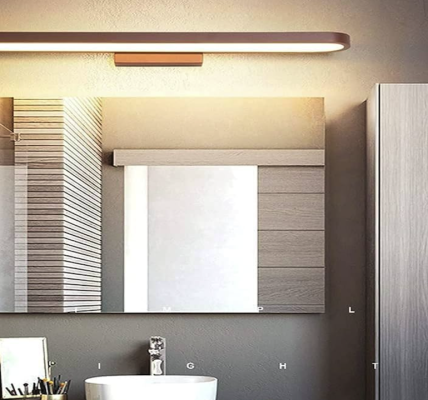
Bar pendants are a type of linear light that features an elongated bar housing multiple light sources. They are exceptionally functional for providing even illumination across the length of a countertop.
Track Lighting Systems (with pendants)
While not strictly a single hanging fixture, track lighting systems can be adapted to hold pendant lights. This offers flexibility in positioning and adjusting the lights along the track, allowing for customized illumination.
Illuminating Your Kitchen Island Effectively
The strategic placement and selection of hanging lights are critical for achieving an effective and aesthetically pleasing kitchen island. The interplay between light, form, and function determines the ultimate success of the design.
Layering Light Sources
As mentioned previously, effective kitchen lighting often involves layering different types of light. While hanging lights serve as a primary source, consider incorporating other elements.
Under-Cabinet Lighting
Under-cabinet lighting provides crucial task illumination for countertops and can reduce shadows cast by overhead fixtures. It acts as a foundational layer of light that complements the hanging lights.
Recessed Lighting
Recessed or can lights installed in the ceiling can provide general ambient illumination for the entire kitchen. When used in conjunction with island pendants, they create a balanced lighting scheme.
Considering Bulb Types
The type of light bulb used can significantly impact the quality of light and the energy efficiency of the fixtures.
LED Bulbs
LED (Light Emitting Diode) bulbs are highly energy-efficient, long-lasting, and available in a wide range of color temperatures. They are a practical and sustainable choice for modern kitchens.
Halogen Bulbs
Halogen bulbs provide a bright, warm light and excellent color rendering. However, they are less energy-efficient than LEDs and have a shorter lifespan.
Incandescent Bulbs (where permitted)
While largely phased out due to energy inefficiency, incandescent bulbs produce a warm, familiar light. Their use is increasingly restricted in many regions.
Dimmers for Versatility
Installing dimmer switches for your kitchen island hanging lights adds a layer of control and versatility.
Adjusting Ambiance
Dimmers allow you to adjust the brightness of the lights to suit different activities. For example, lower the intensity for a casual dinner or raise it for detailed food preparation. This adaptability is like having a volume control for the mood of your kitchen.
Energy Savings
Dimming lights also reduces energy consumption, contributing to utility cost savings. This practical benefit enhances the overall appeal of the lighting system.