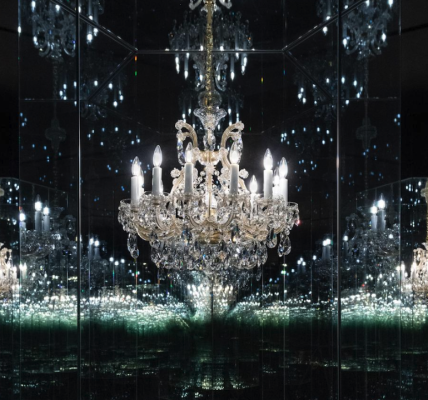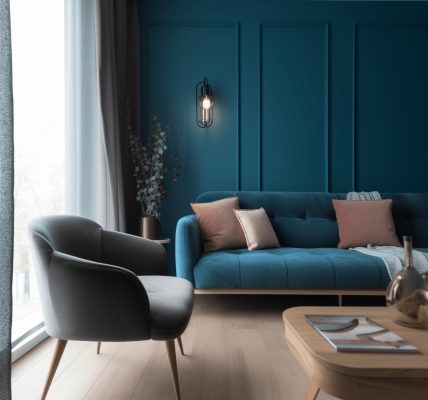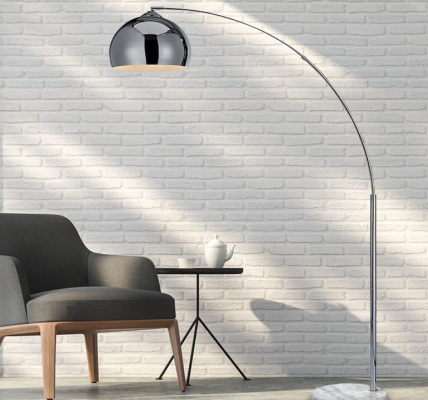

Thinking about how to brighten up your entryway without it feeling cluttered? A narrow wall light could be your answer. These fixtures are designed to take up minimal space while offering focused illumination, making them ideal for hallways, foyers, or any area where wall real estate is at a premium. They provide functional light, enhance the room’s atmosphere, and can even serve as a stylish design element.
Entryways often present a unique lighting challenge. They’re typically high-traffic areas, the first impression of your home, and frequently lack natural light. Traditional overhead fixtures can feel overwhelming in a confined space, and floor lamps eat up precious floor area. That’s where narrow wall lights shine – literally.
Space-Saving Functionality
The primary benefit of a narrow wall light is its slim profile. Unlike bulkier sconces or ornate chandeliers that might protrude too far, these lights sit close to the wall, ensuring pathways remain clear and the space feels open. This is especially crucial in smaller apartments or homes with tighter entryways. Think about coat racks, shoe benches, or even just the act of opening the front door – you want lighting that complements these activities, not hinders them.
Targeted Illumination
Narrow wall lights are excellent for directing light exactly where you need it. Unlike diffuse ambient light, they can create pools of light that highlight specific features, practical pathways, or decorative elements. This targeted approach is more effective for tasks like finding keys, checking your appearance in a mirror, or simply making the space feel more inviting.
Enhancing Ambiance
Don’t underestimate the power of lighting to set a mood. A well-chosen narrow wall light can transform a drab entryway into a welcoming transition zone. The type of light – warm or cool, dimmable or fixed – plays a significant role in creating a specific atmosphere. It’s about more than just seeing; it’s about feeling comfortable and at home the moment you step inside.
Choosing the Right Narrow Wall Light
With an array of options available, selecting the perfect narrow wall light involves considering several practical factors. It’s not just about aesthetics; it’s about how the light will function in your specific space.
Understanding Lumens and Color Temperature
When shopping for lights, “lumens” are more important than “watts.” Lumens tell you how bright the light actually is. For an entryway, you’ll want enough lumens to clearly illuminate the area without it feeling like an interrogation room. As a general guide, 400-800 lumens for a typical entryway can be a good starting point, but this can vary based on the room’s size and other light sources.
“Color temperature,” measured in Kelvins (K), refers to the warmth or coolness of the light.
- Warm white (2700K-3000K): Creates a cozy, inviting feel, similar to incandescent bulbs. This is often preferred for residential entryways to promote a sense of calm.
- Neutral white (3500K-4500K): A balanced light that works well for tasks and general illumination without being too warm or too cool. It’s often used in commercial settings but can be appropriate for a brighter entryway.
- Cool white/daylight (5000K-6500K): Brighter and more energetic, resembling natural daylight. While good for tasks that require focus, it might feel too stark for a welcoming entryway.
Consider the existing color palette of your entryway. Warmer lights often complement earth tones and traditional decor, while cooler lights can work well with modern, minimalist designs.
Material and Finish Considerations
The material and finish of your wall light contribute significantly to its overall look and how it integrates with your existing decor.
- Metals: Brushed nickel, chrome, bronze, and matte black are popular choices. Matte black offers a contemporary edge, while brushed nickel and chrome provide a sleek, modern look. Bronze and antique brass often suit more traditional or rustic styles.
- Glass and Acrylic: These materials are often used for diffusers. Frosted, clear, or seeded glass can alter how the light is dispersed and add visual texture. Acrylic is a more durable and often lighter alternative to glass.
- Wood: For a natural or Scandinavian aesthetic, wood accents can add warmth and texture.
Evaluate how the material will age and if it requires specific cleaning or maintenance. Durability is a factor, especially in high-traffic areas where accidental bumps might occur.
Dimmable Options and Smart Features
A dimmable light fixture offers flexibility. You can adjust the brightness to suit different times of day or occasions – a softer glow in the evening versus full brightness when searching for something. Integrating smart dimmers or smart bulbs allows for even more control, often accessible via an app or voice assistant. This can be a convenient feature for homeowners looking to modernize their lighting setup.
Styles and Designs for Narrow Wall Lights
Narrow wall lights aren’t limited to one look. They come in a wide array of styles, ensuring there’s a design to complement virtually any interior.
Modern and Minimalist Styles
These designs often feature clean lines, geometric shapes, and monochromatic finishes. Think sleek rectangular or cylindrical fixtures in black, white, or brushed metallic. They aim for understated elegance and blend seamlessly into contemporary spaces, often focusing on the quality of light rather than ornate detailing. These work well when the goal is to create a seamless, uncluttered look.
Traditional and Classic Designs
If your entryway leans more towards classic or transitional decor, there are narrow wall lights that fit the bill. These might incorporate elements like distressed metal finishes, glass diffusers with subtle patterns, or even a slightly ornate bracket. The key here is generally warmer finishes and softer lines that evoke a sense of timelessness without being overly elaborate.
Industrial and Rustic Options
For a more robust or raw aesthetic, industrial-style narrow wall lights often feature dark metals, exposed Edison bulbs (though LED equivalents are more energy-efficient), and sometimes cage designs. Rustic options might incorporate distressed wood, hammered metal, or even a lantern-inspired look, bringing a touch of country or farmhouse charm.
Placement and Installation Tips
Getting the placement right is as crucial as choosing the light itself. Good placement ensures optimal illumination and enhances the room’s visual appeal.
Determining Optimal Height
The general guideline for wall sconces, including narrow wall lights, is to place them at eye level. This typically means the center of the fixture is about 60-70 inches (150-175 cm) from the floor. However, consider the average height of people in your household and the height of any accompanying furniture or artwork. If you have particularly high ceilings, you might go slightly higher to maintain visual balance. The goal is to avoid glare and ensure the light spreads effectively.
Single vs. Multiple Fixtures
- Single Fixture: For very small entryways or when used as an accent light, a single narrow wall light can be enough. Placed strategically, it can highlight a mirror or coat rack, providing focused illumination.
- Multiple Fixtures (Symmetrical): In longer hallways or larger entryways, using two or more lights symmetrically spaced can create an even distribution of light and a more balanced look. A common approach is to space them approximately 6-8 feet apart, depending on the length of the wall. This also helps eliminate shadows.
- Multiple Fixtures (Asymmetrical): Less common for general entryway lighting, but asymmetrical placement can work in very specific design scenarios or to emphasize a particular architectural feature. This requires careful planning to ensure it doesn’t look haphazard.
Always consider the spread of light each fixture provides. If it’s a downward-shining light, you’ll need them closer together than if it’s an upward or omni-directional light.
Integrating with Other Light Sources
Narrow wall lights rarely work in isolation. Think about how they will interact with other lighting in your entryway.
- Overhead Lighting (e.g., ceiling flush mount, pendant): Wall lights can supplement an overhead fixture, reducing shadows and adding depth. If you have a large statement pendant, wall lights can provide functional task lighting without competing for attention.
- Accent Lighting (e.g., picture lights, recessed spotlights): If you have artwork or architectural features you want to highlight, narrow wall lights can complement these without being redundant. They can also bounce light off reflective surfaces like mirrors to amplify the overall brightness.
- Natural Light: Assess how much natural light your entryway receives during the day. This will influence how bright your artificial lighting needs to be. For areas with little natural light, you might need stronger or more numerous artificial fixtures.
Always aim for a layered lighting scheme that provides different levels of illumination for various needs and moods.
Practical Considerations and Maintenance
Once your narrow wall light is installed, a few practical points will help you keep it looking good and functioning properly.
Energy Efficiency and Bulb Types
LED (Light Emitting Diode) bulbs are the clear winners when it comes to energy efficiency and longevity.
- LEDs: Consume significantly less energy than incandescent or halogen bulbs, saving you money on electricity bills. They also last much longer, reducing the frequency of bulb changes. Many narrow wall lights now come with integrated LED modules, meaning the entire fixture is designed around LED technology.
- Dimmable LEDs: Look for LEDs specifically labeled as “dimmable” if you plan to use a dimmer switch. Not all LEDs are compatible with all dimmer types, so check for compatibility to avoid flickering or premature bulb failure.
While other bulb types exist, their energy consumption and shorter lifespan make them less practical for a fixture you’ll likely use daily in a high-traffic area.
Cleaning and Care
Routine cleaning will keep your narrow wall light looking its best.
- Dusting: Regular dusting with a soft, dry cloth or a feather duster will prevent buildup.
- Wiping: For more stubborn grime or fingerprints, a lightly damp cloth with a mild, all-purpose cleaner is usually sufficient. Avoid abrasive cleaners, especially on metal finishes, as they can scratch or dull the surface.
- Glass/Diffusers: Use a glass cleaner on glass diffusers, wiping with a lint-free cloth. For plastic or acrylic diffusers, use a cleaner safe for plastics to avoid clouding.
- Power Off: Always ensure the light fixture is powered off at the switch before cleaning, especially when wiping near electrical components.
Professional Installation Considerations
While some adventurous DIYers might tackle a wall light installation, it’s often best to hire a qualified electrician, especially if:
- No Existing Wiring: If there’s no pre-existing electrical box or wiring in the desired location, new wiring will need to be run. This involves cutting into walls, running conduit, and connecting to your home’s electrical panel – tasks best left to a professional.
- Uncertainty with Electrical Work: If you’re not comfortable working with electricity, it’s safer to hire an expert. Incorrect wiring can be a fire hazard or lead to serious injury.
- Complex Fixtures: Some fixtures, particularly those with integrated LEDs or specialized wiring, might require a more nuanced installation approach.
An electrician can ensure the light is safely and correctly installed, meeting all local building codes, and often provides a warranty on their work. This expertise can save you headaches and potential hazards down the line.
In conclusion, a narrow wall light offers a practical and stylish solution for illuminating your entryway. By considering factors like lumens, color temperature, material, and placement, you can select a fixture that not only brightens the space but also enhances its overall aesthetic and functionality.