Ever looked up at your ceiling and thought, “Ugh, no light here” or “I just don’t want to deal with installing a new fixture”? You’re not alone. Many of us rent, have high ceilings that are a pain to wire, or simply don’t have a ceiling box where we need one. But the good news is, you don’t need a fancy electrician or a complete home renovation to get great lighting. Floor lamps are your stylish secret weapon, and they’re more on-trend than ever. Forget those clunky, outdated torchiere lamps from the early 2000s; today’s floor lamps are sleek, versatile, and can totally transform a room. Let’s dive into how you can use them to fill those light gaps and elevate your space.
Floor lamps aren’t just about functionality anymore; they’re becoming a key design element. Think of them as sculptural pieces that also happen to provide light. This shift means you have a lot more creative freedom when choosing a lamp that speaks to your personal style.
Arc Lamps: Reaching for the Stars (and Your Reading Nook)
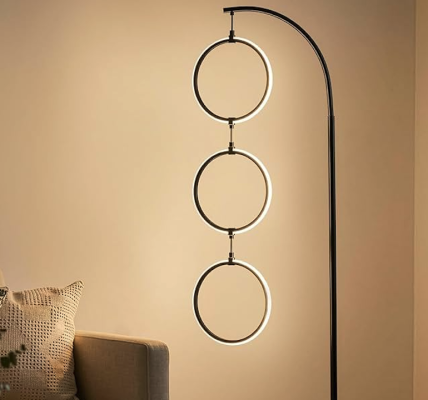
These are the superstars of floor lamps when it comes to bridging the gap between where you need light and where there’s no ceiling fixture. An arc lamp’s curved arm extends outward, allowing the light source to hover over a sofa, armchair, or even a dining table without being directly above it.
The Multi-Arm Marvel
Some arc lamps feature multiple arms, each with its own adjustable head. This is incredibly practical, offering task lighting for different activities simultaneously. Imagine one arm illuminating your book, another your knitting project, and a third providing ambient light for the general area.
The Minimalist Sweep
For a more understated look, opt for a single, clean arc. These often have a weighted base that anchors them securely, and their streamlined design can complement almost any decor style, from modern to Scandinavian. The key is the visual lightness they bring, as they don’t rely on a heavy overhead presence.
Material Matters: From Marble to Metal
The base and arm materials are crucial. Heavy marble bases offer a sophisticated, grounded feel, while brushed brass, matte black, or polished chrome can add a contemporary edge. Consider how the material will interact with your existing furniture and color palette.
Tree Lamps: Versatility in Verticality
Tree lamps, also known as cluster lamps, are another excellent solution for filling the void left by missing ceiling lights. They typically have a central pole with multiple arms branching out, each holding a light socket. This allows you to direct light in several directions from a single point.
The Multi-Directional Advantage
This design is perfect for illuminating a larger area. You can angle each lamp head to provide general room light, highlight artwork on a wall, or cast a warm glow over a corner seating arrangement. It’s like having several smaller lamps in one elegant package.
Adjustable Heights and Angles
Many tree lamps offer adjustable heights, allowing you to customize the overall presence of the lamp in your room. The ability to angle individual arms means you can fine-tune the light distribution, making them incredibly flexible for different needs.
Decorative Details: From Globes to Shades
Tree lamps come with a variety of shade styles. You might find them with frosted glass globes for a soft, diffused light, or with individual fabric shades that add a touch of texture and color. Some even feature Edison bulbs for a more industrial or vintage vibe.
Tripod Lamps: A Chic and Stable Foundation
Tripod floor lamps have a unique aesthetic that can add a touch of mid-century modern or industrial charm to a room. Their three-legged base provides stability while also offering visual interest.
The Architectural Element
The tripod design itself is often a statement piece. It’s less about disappearing and more about contributing to the overall architectural feel of the space. This works particularly well in rooms with a more curated or design-forward approach.
Integrated Shelving? Yes, Please!
Some tripod lamps incorporate small shelves or tabletops into their design. This is a fantastic practical bonus, providing a convenient spot for a drink, your phone, or a small decorative item, further enhancing their utility as a lighting and accent piece.
Warm, Focused Light
Often, tripod lamps feature a single, focused light source at the top. This is ideal for creating a cozy reading nook or highlighting a specific area. The light tends to be more directed, which can be a welcome contrast to broader ambient lighting.
Filling the Gaps: Strategic Placement is Key
The beauty of floor lamps is their portability. You can move them around to suit your needs, which is a huge advantage when you’re working with a less-than-ideal ceiling setup.
The Reading Nook Revolution
This is perhaps the most classic use for a floor lamp. Position a stylish arc or tripod lamp next to your favorite armchair or sofa. Ensure the light source is at the right height to illuminate your book or e-reader without causing glare or eye strain.
Finding the Sweet Spot
The ideal height for a reading lamp is usually around shoulder height when you’re seated. This allows the light to fall directly onto your reading material. You don’t want it too high, as that can create harsh shadows, or too low, which might be insufficient.
Layering Light for Ambiance
Don’t stop at just one lamp. Combine a floor lamp for focused reading light with a softer ambient light source from another lamp or even a string of fairy lights to create a truly inviting atmosphere. This layering effect adds depth and warmth to your corner.
The Corner Conversation Starter
Blank, awkward corners can be instantly revitalized with the right floor lamp. A tall, slender lamp can draw the eye upward and add a sense of height to the room. A lamp with a more substantial base or interesting shade can anchor the corner and make it feel intentional.
Emphasizing Architectural Features
If your corner has an interesting wall texture, a decorative plant, or a piece of art, position your floor lamp to highlight these elements. You can angle the light to cast subtle shadows or bring out the details, turning a forgotten space into a focal point.
Adding Warmth to Unused Areas
Even if a corner isn’t a primary seating area, a well-placed floor lamp can make it feel more inviting. It adds a touch of warmth and light, making the entire room feel more complete and lived-in.
The Task Master: Beyond the Living Room
Floor lamps aren’t just for living rooms. They can be incredibly useful in other areas where ceiling light might be lacking or insufficient.
The Home Office Helper
If your desk doesn’t have direct overhead lighting, a floor lamp is a lifesaver. An adjustable arm lamp can be positioned to provide excellent task lighting for your computer screen and documents, reducing eye strain during long work sessions.
Bedroom Bedside Brilliance
Instead of a bulky table lamp, consider a sleek floor lamp next to your bed. This can free up your nightstand for other essentials and offer a more modern aesthetic. Ensure the light is adjustable so you can dim it for winding down.
Kitchen Corner Comfort
Even kitchens can benefit. If you have a breakfast nook or a corner counter that feels a bit dim, a stylish floor lamp can add both illumination and a decorative touch. Just ensure it’s placed safely away from direct cooking activity.
Smart Lighting Integration: The Future is Now
Floor lamps are increasingly incorporating smart technology, adding convenience and customizability to your lighting solutions.
Dimmable Delights: Setting the Mood
Many modern floor lamps come with built-in dimmers. This is crucial for versatility, allowing you to adjust the brightness for different times of day and activities. Bright light for reading, a soft glow for relaxing.
Control at Your Fingertips
Dimmers can be integrated into the lamp’s stem, controlled by a remote, or even accessed via a smartphone app. This offers incredible convenience, letting you adjust the lighting without leaving your seat.
Energy Efficiency Benefits
Dimmable options also contribute to energy savings. By using only the amount of light you need, you can reduce electricity consumption, which is good for both your wallet and the environment.
Smart Home Harmony: App and Voice Control
The real game-changer is the integration with smart home systems. You can find floor lamps that connect to Wi-Fi or Bluetooth, allowing for control via apps or voice commands with assistants like Alexa or Google Assistant.
Seamless Scene Setting
Imagine creating “reading scenes” or “movie night scenes” that adjust your floor lamps (and other smart lights) to the perfect settings with a single command. This level of customization is a significant upgrade from traditional lighting.
Scheduling and Automation
Set your floor lamps to turn on at dusk automatically, or schedule them to turn off at a certain time. This adds a layer of security and convenience, making your home feel more responsive and lived-in, even when you’re away.
Color Temperature Options
Some smart floor lamps offer adjustable color temperatures. This means you can switch from a cool, energizing white light during the day to a warm, cozy amber glow in the evening, mimicking natural light cycles and promoting better sleep.
Beyond the Bulb: Creative Shades and Materials
The shade of a floor lamp is where a lot of its personality shines through. It dictates the quality of light and contributes significantly to the overall aesthetic.
Fabric Shades: Softness and Sophistication
Classic fabric shades, whether linen, cotton, or silk, offer a diffused, warm light. They are excellent for creating a cozy and inviting atmosphere in living rooms and bedrooms.
Texture and Pattern Play
Don’t be afraid to experiment with textured fabrics or subtle patterns. A textured linen can add a tactile element to your decor, while a lamp with a subtle geometric pattern can add a touch of visual interest without being overwhelming.
The Drum vs. The Empire
The shape of the shade also matters. Drum shades offer a modern, clean look, while empire shades have a more traditional, tapered silhouette. Consider the overall style of your room when making your choice.
Metal and Geometric Shades: Modern Edge
Metal shades, often in finishes like brushed brass, matte black, or copper, lend a more contemporary or industrial feel. Geometric designs, like open cage or multi-faceted shapes, add architectural interest.
Industrial and Minimalist Vibes
These types of shades are perfect for loft-style apartments or rooms with a minimalist aesthetic. They can create interesting shadow patterns on the walls and ceiling, adding another layer of visual depth.
Exposed Bulb Chic
Many metal and geometric shades are designed to showcase the bulb itself. Opt for decorative Edison bulbs or filament bulbs to enhance this look and create a unique lighting statement.
Glass Shades: From Frosted to Colored
Glass shades offer a wide range of effects. Frosted glass diffuses light beautifully for a soft, ambient glow. Clear glass can be used to showcase decorative bulbs, while colored glass can add a pop of personality and unique hue to your light.
The Art of Diffusion
Frosted or opal glass is excellent for reducing glare and providing an even, comfortable light that’s great for general room illumination.
Statement Colors
A lamp with a colored glass shade can act as a standalone decorative piece, even when the light is off. Consider jewel tones for a touch of opulence or softer pastels for a more delicate feel.
Where to Place Your Floor Lamp for Maximum Impact
The placement of your floor lamp is as important as the lamp itself, especially when you’re trying to compensate for a lack of ceiling lights.
Bridging the Sofa-to-Side-Table Divide
Often, a sofa is positioned with a side table, but there’s a significant gap where overhead light would normally fall. An arc lamp is your best friend here. Extend its arm over the sofa, placing the light source conveniently above where you might be sitting or placing drinks.
Ensuring Proper Reach
When choosing an arc lamp, measure the distance from where the base will sit to where you want the light to fall. Make sure the lamp’s arc has enough reach to comfortably cover your seating area without being too close to people’s heads.
Balancing Aesthetics and Ergonomics
Think about how the lamp’s design interacts with the sofa and table. A sleek, minimalist arc lamp might be perfect for a modern sofa, while a more substantial one could complement a plush, traditional piece.
Illuminating a Gallery Wall
If you have a collection of art or photos on a wall, a floor lamp can be strategically placed to highlight them. A tall, slender lamp positioned slightly behind or to the side of the grouping can cast a flattering light.
Adjustable Heads for Precision
Lamps with adjustable heads are particularly useful for gallery walls. You can aim each head to illuminate specific pieces or create a general wash of light across the entire display.
Avoiding Glare on Artwork
Experiment with the angle of the light to avoid direct glare on the artwork. You want to enhance the viewing experience, not detract from it with reflections.
Creating a Cozy Reading Corner
As mentioned, this is a classic. Place a comfortable chair and a small side table, and then position your floor lamp to provide ample light for reading. It’s about creating a dedicated, inviting zone within a larger room.
The Importance of Light Quality
For reading, you want a light that’s bright enough to see clearly but not so harsh that it causes eye strain. A warm white light is generally preferred for relaxation and reading.
Defining the Space
The floor lamp, in this context, helps to visually define the reading corner, making it feel like a separate, intimate space within the room.
Adding Depth to a Dining Area
While dining rooms often have overhead fixtures, if yours is lacking or you want to add extra ambiance, a floor lamp can be a surprising, yet effective, addition. Place it in a corner of the dining area, angled towards the table or a decorative element on the wall.
Ambient Glow for Meals
This provides a softer, more ambient glow that can complement a central overhead light or even replace it if the overhead is too harsh. It adds a layer of warmth to your dining experience.
Highlighting a Buffet or Sideboard
If you have a buffet or sideboard against a wall, a floor lamp placed next to it can illuminate any decorative items or serving dishes you might have displayed there.
Styling Tips for Seamless Integration
Making your floor lamp look like a deliberate part of your decor, rather than an afterthought, is all about thoughtful styling.
Coordinate with Existing Decor
Choose a floor lamp whose material, finish, and style complement your existing furniture, rugs, and other decorative items. If you have a lot of warm wood tones, a lamp with a brushed brass or antique bronze finish might work well. For a modern space with black accents, a matte black lamp is a natural fit.
Finish Harmony
Pay attention to the metal finishes. If you have brushed nickel hardware on your cabinets, consider a lamp with a similar brushed nickel or chrome finish. If your existing metals are warm (brass, gold, copper), stick with those.
Style Synergy
A minimalist arc lamp will blend into a modern or Scandinavian room, while a more ornate metal lamp might be better suited for a traditional or eclectic space. The goal is for the lamp to feel like it belongs.
Consider the Scale of Your Room
A massive, floor-to-ceiling arc lamp might overwhelm a small apartment, just as a tiny, delicate floor lamp could get lost in a grand, high-ceilinged living room. Choose a lamp that is proportionate to the size of your space and the furniture it’s near.
Visual Weight
Think about the visual weight of the lamp. A lamp with a heavy base and a wide shade will feel more substantial than a slender lamp with a small shade.
Height Considerations
For rooms with high ceilings, a taller lamp can help fill the vertical space. In rooms with standard or lower ceilings, be mindful of lamps that might feel too imposing or block sightlines.
Don’t Be Afraid to Mix and Match
While coordination is key, it doesn’t mean everything has to be matchy-matchy. You can introduce a floor lamp in a contrasting material or color if it’s done thoughtfully. For example, a sleek black arc lamp can be a striking contrast against a light-colored wall and neutral-toned furniture.
The Power of Contrast
A well-chosen contrasting element can add visual interest and prevent a room from feeling too monochromatic or predictable. The key is to ensure there are other smaller accents in your room that echo the contrasting element of the lamp.
Balancing the Elements
If you introduce a bold color or material in your floor lamp, ensure that color or material is subtly echoed elsewhere in the room, perhaps in a throw pillow, a piece of art, or a decorative object. This creates a cohesive look.
Using Lamps to Define Zones
In open-plan living spaces, floor lamps can be used to visually separate different functional areas. A floor lamp in the reading corner helps define that as a distinct zone from the main seating area. Similarly, a floor lamp near a desk can create a “work zone” within a living room.
Creating Visual Boundaries
The light emitted by the lamp, and the lamp itself as a physical object, can act as a subtle boundary, making the open space feel more organized and purposeful.
Flow and Functionality
By using floor lamps to define zones, you can improve the overall flow and functionality of your space, making it feel more considered and easier to navigate.
The Power of the Lampshade as Art
Sometimes, the lampshade itself is the star. Choose a lampshade with an interesting pattern, texture, or even a unique shape. This can be a fantastic way to introduce personality and a design element without taking up precious surface space.
Pattern and Color Play
A lampshade with a vibrant pattern or bold color can be a focal point, drawing the eye and adding a burst of energy to the room.
Sculptural Shades
Consider lamps with shades that have interesting sculptural qualities. These can add an artistic touch and become a conversation piece, even when the light is off.
Conclusion: Light Up Your Life (Without the Ceiling Hassle)
So there you have it. Floor lamps are no longer just functional necessities; they are powerful design tools that can solve lighting dilemmas, add style, and enhance the usability of your home. From the architectural sweep of an arc lamp to the versatility of a tree lamp and the chic stability of a tripod, there’s a stylish solution for every missing ceiling box. By considering placement, scale, and the interplay of materials and shades, you can use floor lamps to create warm, inviting, and beautifully lit spaces that truly reflect your personal style. Don’t let the lack of a ceiling box limit your design dreams – embrace the power of the floor lamp!