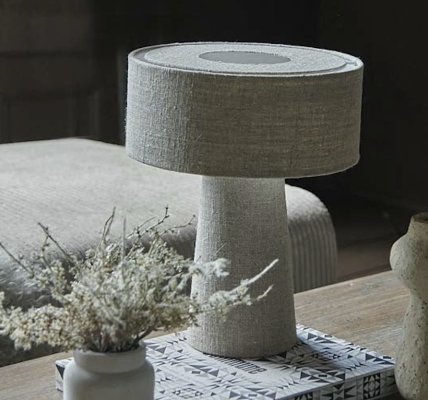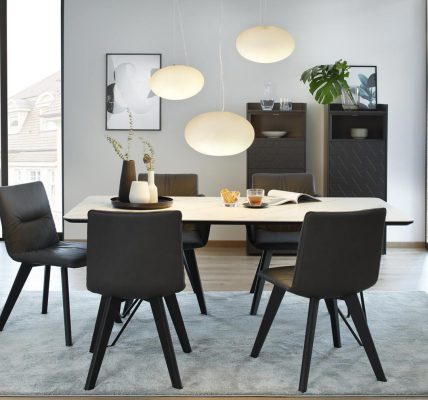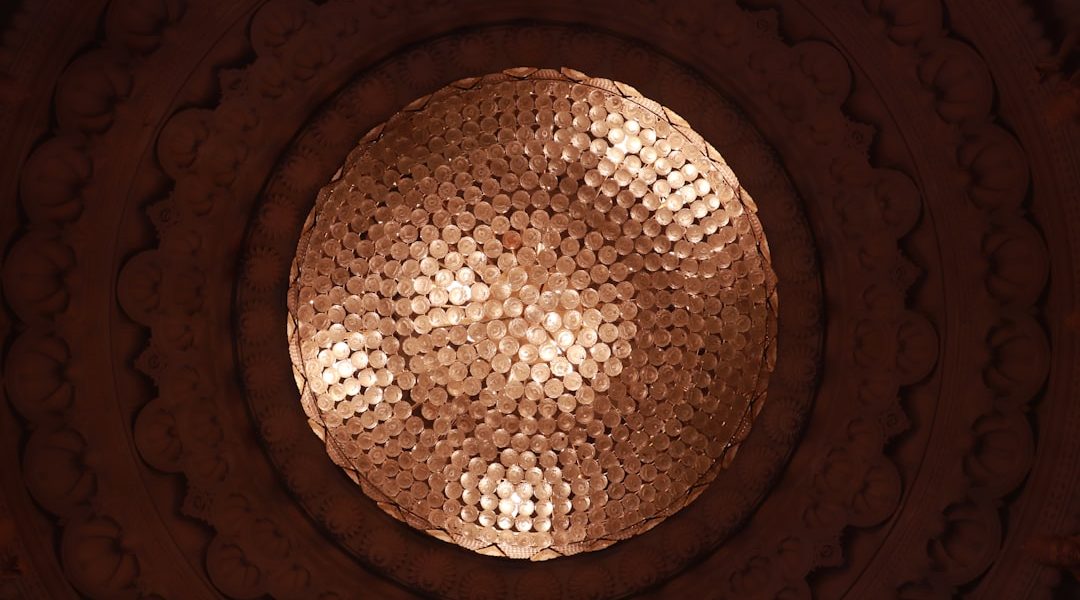

As you consider enhancing your living spaces, ceramic wall lighting offers a distinctive approach to illumination, blending artistry with functionality. This category of fixtures, characterized by its stone-like qualities, provides a nuanced and sophisticated glow that can transform the ambiance of a room. The inherent properties of ceramic, coupled with thoughtful design, allow these lights to function as both sources of light and decorative elements.
Ceramic wall lighting refers to luminaires where the primary structural or decorative component is made from ceramic materials. These lights are typically mounted directly onto a wall, projecting light outwards, upwards, or downwards to create specific lighting effects. The appeal of ceramic in this context lies in its ability to mimic the visual and tactile qualities of natural stone, offering a sense of grounded elegance.
The Materiality of Ceramic
Ceramic, a compound of metallic and non-metallic elements formed by firing at high temperatures, possesses a unique set of properties that make it suitable for lighting applications. Its durability, resistance to heat, and ability to be molded into intricate shapes are key advantages.
Firing and Glazing Techniques
The process of creating ceramic involves shaping clay and then firing it in a kiln. This firing process vitrifies the clay, rendering it hard and non-porous. Glazing, the application of a liquid coating containing silica and fluxes that fuses to the ceramic surface during a second firing, further enhances durability, impermeability, and aesthetics. The choice of glaze significantly impacts the final appearance, allowing for a spectrum of finishes from matte to high gloss, and for the achievement of stone-like textures and hues.
Mimicking Natural Stone
The sophisticated stone-like glow associated with these fixtures is not accidental. Ceramic artists and manufacturers carefully select glazes and textures to evoke the appearance of materials such as marble, travertine, slate, or limestone. This is achieved through a combination of color application, subtle variations in surface porosity, and the replication of natural veining and mineral inclusions. The result is a luminaire that brings a sense of organic beauty and textural richness to interior design.
Design Principles and Aesthetics
The design of ceramic wall lighting often prioritizes form and function in equal measure. The material’s inherent characteristics lend themselves to designs that are both sculptural and understated.
Minimalist Forms
Many ceramic wall lights embrace minimalist design principles. Clean lines, simple geometric shapes, and a focus on the material’s natural beauty are common. This approach allows the light itself and the texture of the ceramic to be the primary focus.
Organic and Sculptural Designs
Conversely, other designs lean into the moldable nature of ceramic, resulting in more organic and sculptural forms. These fixtures can resemble natural objects, abstract art pieces, or even architectural elements, adding a unique artistic statement to a wall.
The Sophisticated Stone-Like Glow
The illumination provided by ceramic wall lighting is often described as a “stone-like glow.” This refers to the quality of light that is emitted and how it interacts with the ceramic surfaces. Instead of a harsh or overly bright output, the light appears diffused, soft, and subtly colored, much like light reflecting off natural stone.
Light Diffusion and Softness
The ceramic material, particularly when unglazed or finished with matte glazes, plays a crucial role in diffusing light. This diffusion softens the light source, preventing glare and creating a more comfortable and inviting atmosphere. It’s as if the light has found a gentle intermediary, preventing it from being too direct.
Textural Interaction with Light
The textured surfaces of ceramic lights are designed to interact with the emitted light in specific ways. Subtle undulations, porous finishes, or the replication of natural stone imperfections can catch and refract light, creating subtle highlights and shadows. This interplay of light and texture adds depth and visual interest.
Color Palette and Nuance
The color palette used in ceramic wall lighting often draws inspiration from natural stone. Earthy tones, muted grays, soft whites, and delicate beiges are prevalent. These colors are not simply painted on but are often inherent to the glaze composition, contributing to the material’s authenticity.
Subtle Variations and Patina
The glazes used can create subtle variations in color and tone across the surface of the ceramic. This mimics the natural variegation found in real stone, preventing a uniform and artificial appearance. Over time, some glazes may even develop a subtle patina, further enhancing their naturalistic appeal.
Applications and Placement Strategies
The versatility of ceramic wall lighting allows it to be incorporated into a wide range of interior design schemes and functional areas. Understanding optimal placement strategies can maximize their aesthetic and practical impact.
Accent Lighting
Ceramic wall lights are highly effective for accent lighting. They can be used to highlight architectural features, artwork, or decorative objects. By directing light strategically, these fixtures can draw attention to specific elements within a room, creating focal points.
Highlighting Architectural Details
Placing ceramic wall lights near cornices, columns, or textured walls can emphasize their existing visual appeal. The soft glow can bring out the nuances of materials and forms, adding a layer of sophistication.
Showcasing Artwork and Collectibles
Mounted at appropriate distances and angles, these lights can provide subtle illumination for artwork or display shelves, ensuring that the pieces are visible without being overpowered by the light source itself.
Ambient Lighting
Beyond accenting specific features, ceramic wall lights can contribute significantly to the overall ambient lighting of a space. They are well-suited for creating a mood and providing general illumination that is both functional and aesthetically pleasing.
Creating Atmosphere in Living Areas
In living rooms or dining rooms, strategically placed ceramic wall lights can cast a warm and inviting glow, fostering a relaxed and comfortable atmosphere. They can serve as a gentle alternative or complement to overhead lighting.
Enhancing Bedroom Tranquility
The soft, diffused light from ceramic fixtures is particularly conducive to creating a tranquil environment in bedrooms. They can provide sufficient light for general movement while encouraging a sense of calm and relaxation.
Task Lighting (with consideration)
While primarily decorative, certain ceramic wall lights can also serve practical task lighting needs, particularly when designed with directional capabilities. However, their inherent softness means they are usually not ideal for high-intensity task lighting without supplementary sources.
Illuminating Hallways and Corridors
In hallways and corridors, ceramic wall lights can provide safe and aesthetically pleasing illumination. Their placement can guide movement and prevent the feeling of being in a dark passage.
Providing Soft Light in Entryways
Entryways can benefit from the welcoming and sophisticated glow of ceramic wall lights. They create an immediate impression of warmth and style for arriving guests.
Installation and Maintenance Considerations
Proper installation and regular maintenance are essential to ensure the longevity and optimal performance of ceramic wall lighting fixtures.
Professional Installation Recommendations
Due to the nature of electrical work and the (often significant) weight of ceramic fixtures, professional installation is generally recommended. This ensures correct wiring, secure mounting, and compliance with electrical codes.
Wiring and Electrical Connections
Ensuring secure and properly insulated electrical connections is paramount for safety and the correct functioning of the light. A qualified electrician will be able to assess existing wiring and make necessary adjustments.
Secure Mounting Techniques
Ceramic can be heavy. The mounting hardware and technique must be sufficient to support the weight of the fixture and withstand vibrational forces. Plasterboard alone is often insufficient, requiring mounting to wall studs or the use of appropriate anchors.
Cleaning and Care
The maintenance of ceramic wall lighting is generally straightforward, focusing on preserving the material’s finish and the clarity of the light emitted.
Regular Dusting and Cleaning
Dust accumulation can dull the finish of the ceramic and obscure the light. Regular dusting with a soft, dry cloth is typically sufficient. For more stubborn marks or grime, a slightly damp cloth with a mild, non-abrasive cleaner can be used.
Avoiding Abrasive Cleaners
It is important to avoid abrasive cleaners or harsh chemicals, as these can damage the glaze and alter the intended stone-like appearance of the ceramic. Always test any cleaning solution on an inconspicuous area first.
Bulb Replacement and Fixture Care
When replacing bulbs, ensure the fixture is cool and disconnected from the power supply. If the ceramic component itself sustains damage, repair options may be limited, underscoring the importance of careful installation and handling.
Design Synergy and Complementary Elements
The successful integration of ceramic wall lighting into a space hinges on its synergy with other design elements. Its unique characteristics allow it to complement a variety of materials and styles.
Material Pairings
The stone-like qualities of ceramic wall lighting make it a natural companion for other natural materials.
Wood and Natural Textures
Pairing ceramic with natural wood finishes, such as oak, walnut, or teak, creates an organic and inviting aesthetic. The warmth of wood balances the cool, mineral tones of the ceramic. Think of a brushed concrete wall with a warm oak console table and a soft, diffused ceramic light emanating from above.
Stone and Concrete Surfaces
When integrated with actual stone or concrete architectural elements, ceramic lighting can provide a harmonious continuation of the material palette. The variations in texture and tone between the ceramic fixture and the surrounding surfaces can create visual depth.
Interior Design Styles
Ceramic wall lighting’s adaptability means it can enhance a range of interior design styles, from the minimalist to the more eclectic.
Contemporary and Modern Aesthetics
In contemporary and modern interiors, ceramic wall lights often serve as sculptural focal points. Their clean lines and understated elegance complement minimalist furniture and open-plan layouts. They are not just light sources; they are pieces of understated art.
Transitional and Rustic Charm
For transitional or rustic styles, ceramic lighting can introduce a touch of refined earthiness. Its nod to natural materials and hand-crafted feel aligns well with elements like exposed beams, natural stone fireplaces, or hand-woven textiles.
Lighting Layering
Effective interior lighting relies on layering different types of light. Ceramic wall lights play a vital role in this strategy, contributing a unique quality that other fixtures may not possess.
Combining with Ambient, Task, and Decorative Lighting
By combining ceramic wall lights with general ambient lighting (e.g., ceiling fixtures or recessed lights), task lighting (e.g., desk lamps or under-cabinet lights), and decorative accents, designers can create a multi-dimensional and well-balanced lighting scheme. The ceramic then acts as a foundational element, providing a soft, consistent layer.
Creating Depth and Visual Interest
The interplay of light from various sources, with ceramic wall lighting providing its signature diffused glow, adds depth and visual interest to a room. It prevents the space from feeling flat or one-dimensional, creating a more engaging sensory experience.